A quick note: Everything in this post comes from my own trips. I’ve stayed in villas in Samaná and Cabarete, gone whale watching in Samaná Bay, and explored Cabarete, Sosúa, Las Terrenas and Puerto Plata. Every photo here is from our own trips.
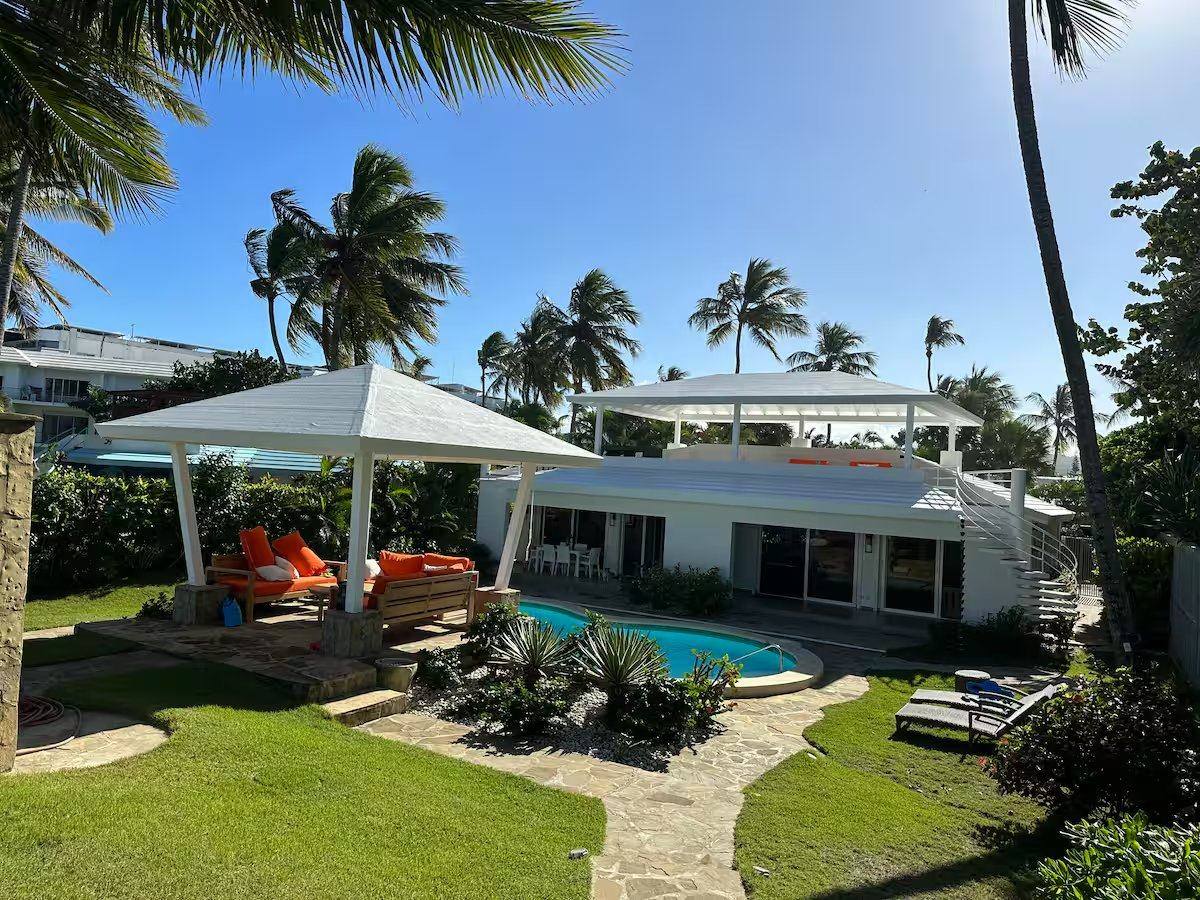
All-inclusive resorts have their place, and we book plenty of them. But some travelers are looking for something different: a pool of their own, coffee on a terrace that looks out over the water, dinner at a beach café where the owner knows your name, and a morning boat ride to watch humpback whales breach in the bay. If that sounds more like you, the Dominican Republic’s North Coast, with a villa as your home base, is the winter trip you’ve been looking for.
Why a villa is a smart move if all-inclusive isn’t your style
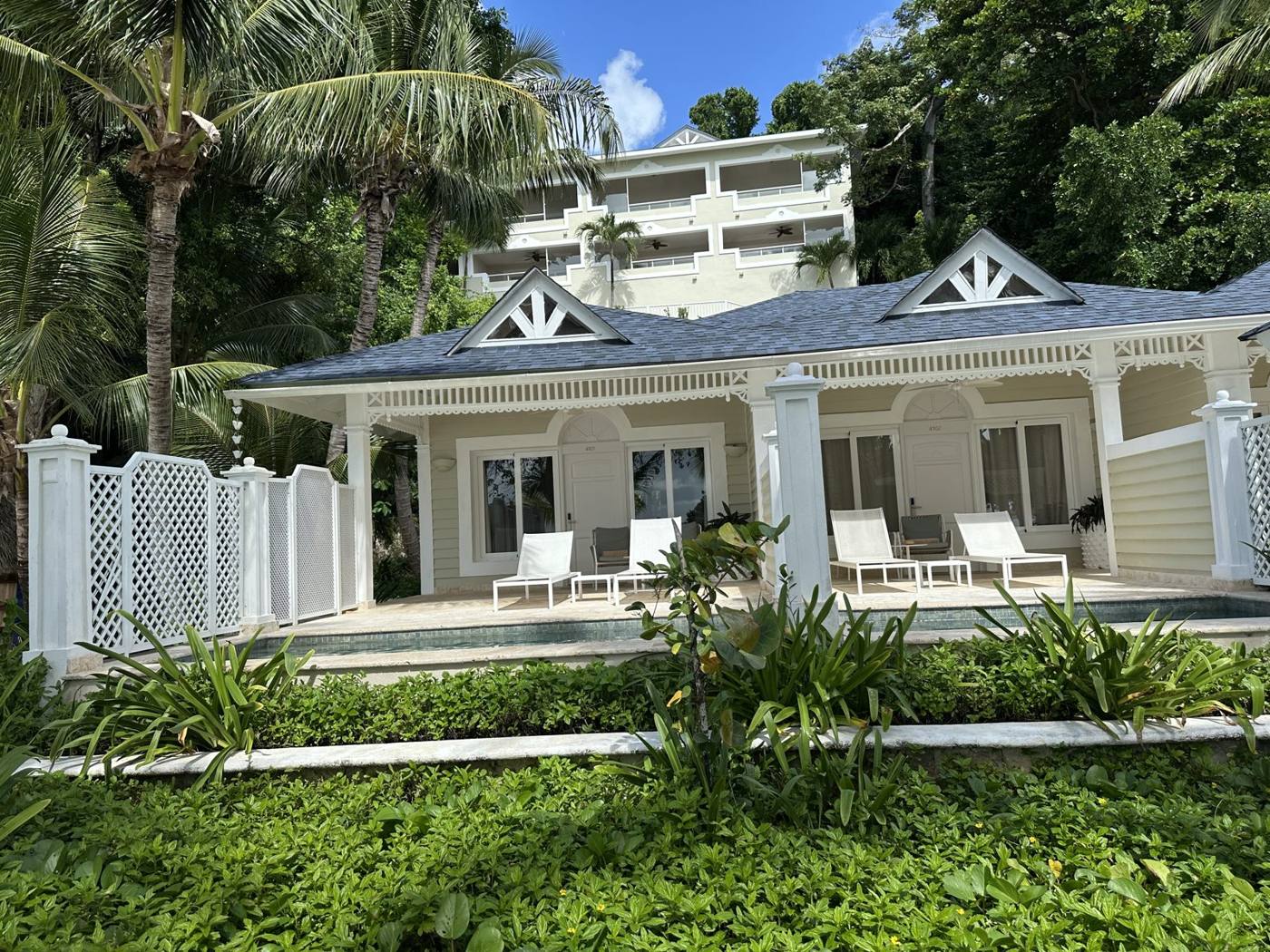
All-inclusive resorts are great at what they do, and they’re the right choice for a lot of trips. But for families, groups of friends and couples who like to explore, a private villa can be a great fit, and it can cost less per person than you’d think.
- Space and privacy. You get your own pool, terrace and living areas, with bedrooms for everyone and no fighting over loungers at 7 a.m.
- Better value for groups. Split among two or three couples or a multigenerational family, a villa is often cheaper per person than several resort rooms.
- Staff who make it easy. Many North Coast villas come with a housekeeper, and you can add a private chef who cooks fresh, local meals right in your kitchen.
- The real Dominican Republic. You eat at local restaurants and beach cafés, shop the markets, and actually get to know the towns.
- Freedom. Wake up when you want, eat when you want, and plan each day around the weather, the whales or the wind.
We book villas through our trusted partners, so you get a home that’s been vetted, with clear policies and someone to call if anything comes up.
Whale watching in Samaná Bay
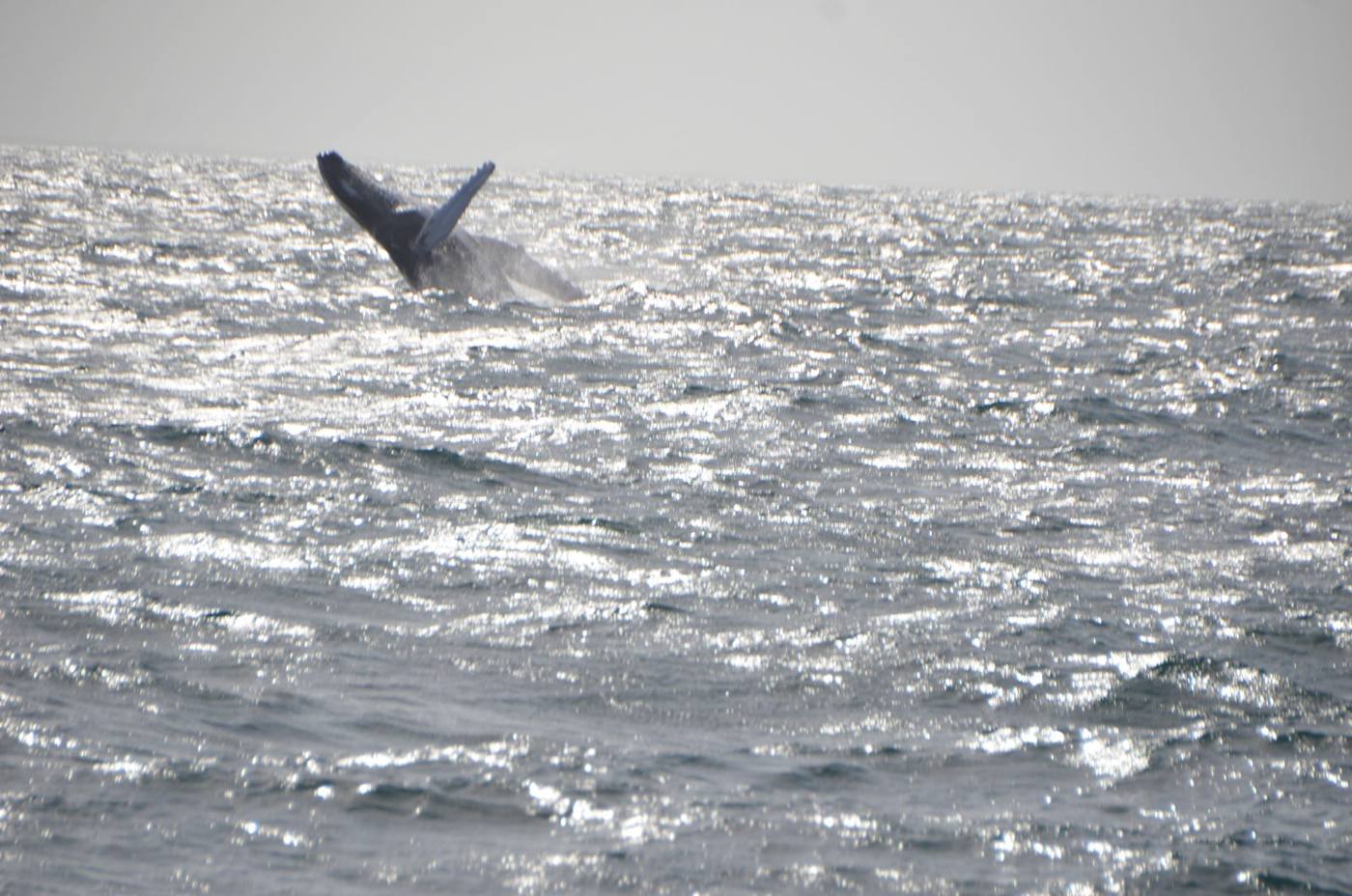
If there’s one reason to plan your trip for winter, this is it. Every year from January 15 to March 31, thousands of North Atlantic humpback whales gather in Samaná Bay to mate, give birth and nurse their calves. It’s one of the best places in the world to see them, and the bay has been a protected marine mammal sanctuary since 1986.
We went out in early February, and the photos in this section are all from that one morning. We watched whales breaching, slapping the water with their long white fins and lifting their tails before diving. Seeing a humpback that can weigh up to 40 tons launch itself out of the water is something you won’t forget.
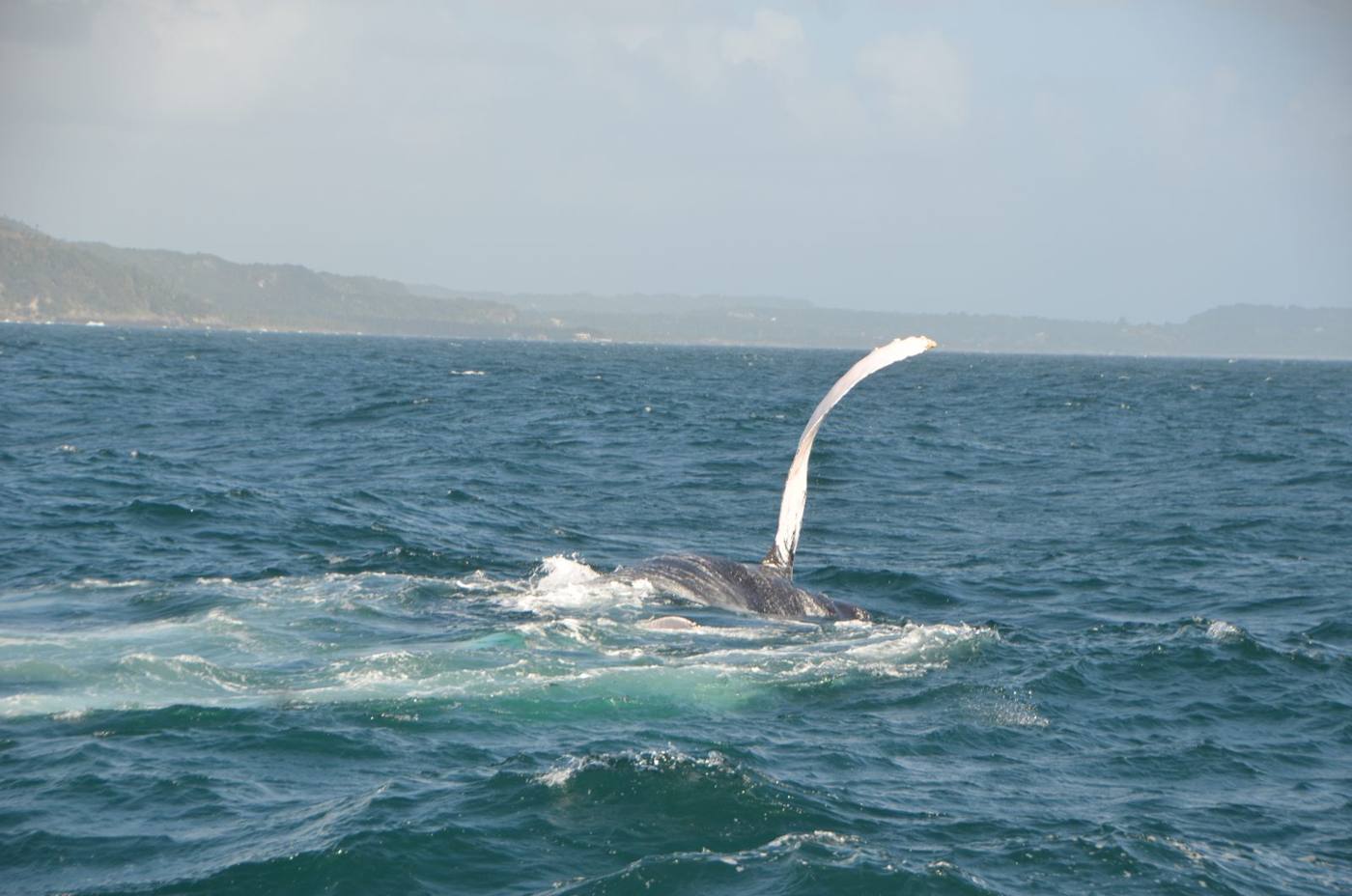
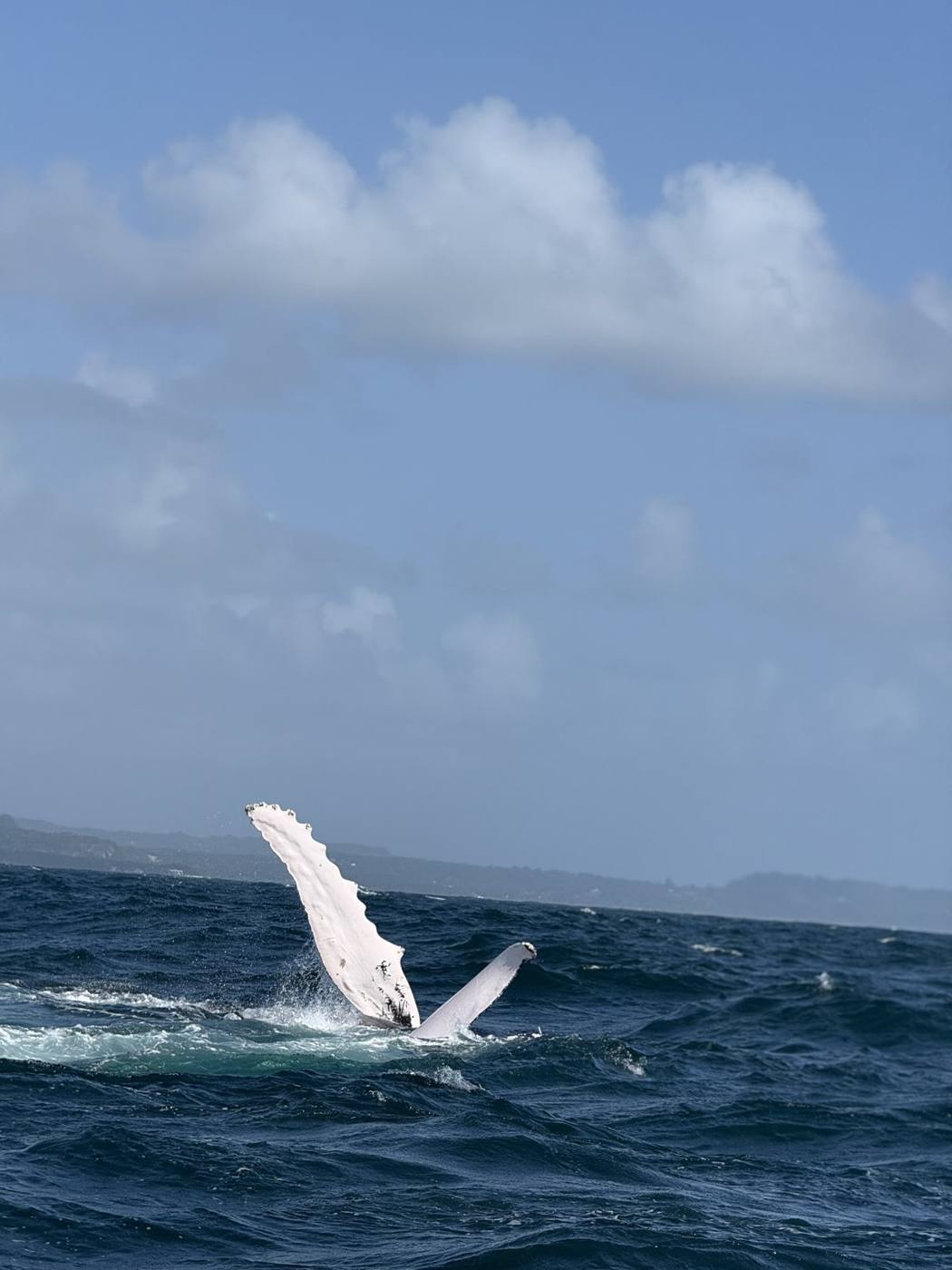
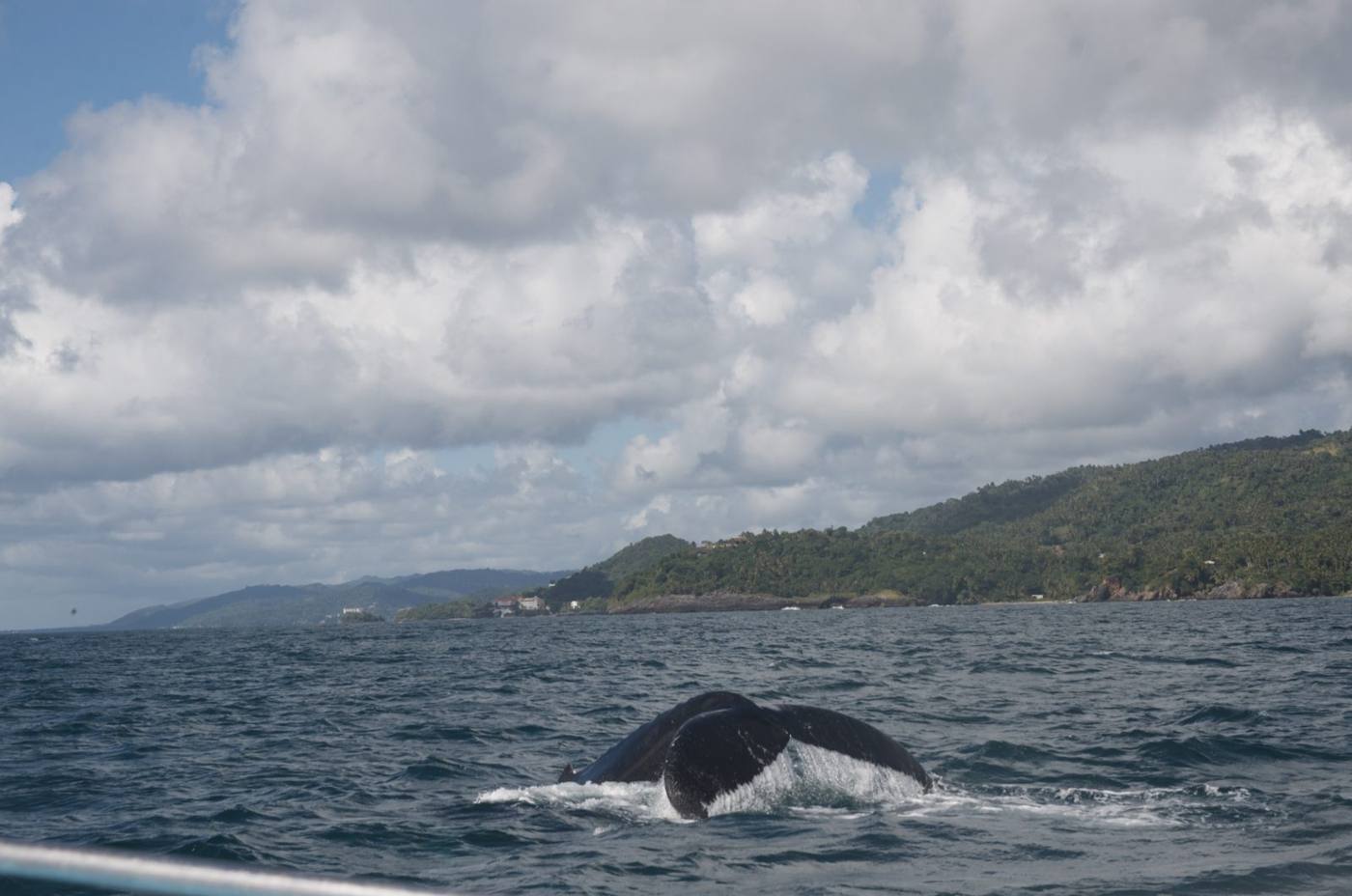
Tours usually last three to four hours and leave from the town of Samaná. A few tips: choose a licensed operator with naturalist guides, book ahead for February, which is peak season, and bring motion-sickness medicine if you need it, since the water just outside the bay can get choppy.
Samaná and Las Terrenas: the laid-back peninsula
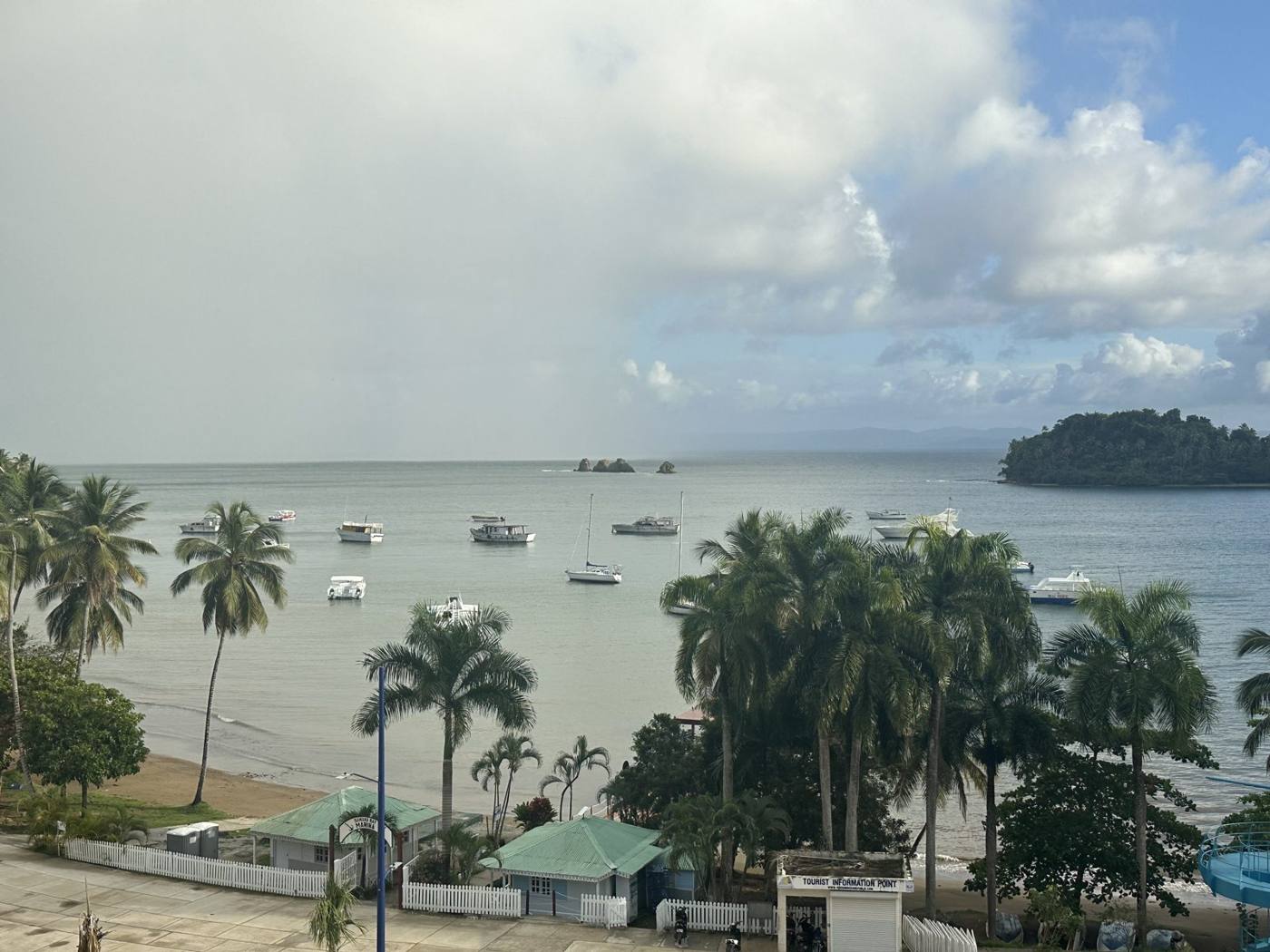
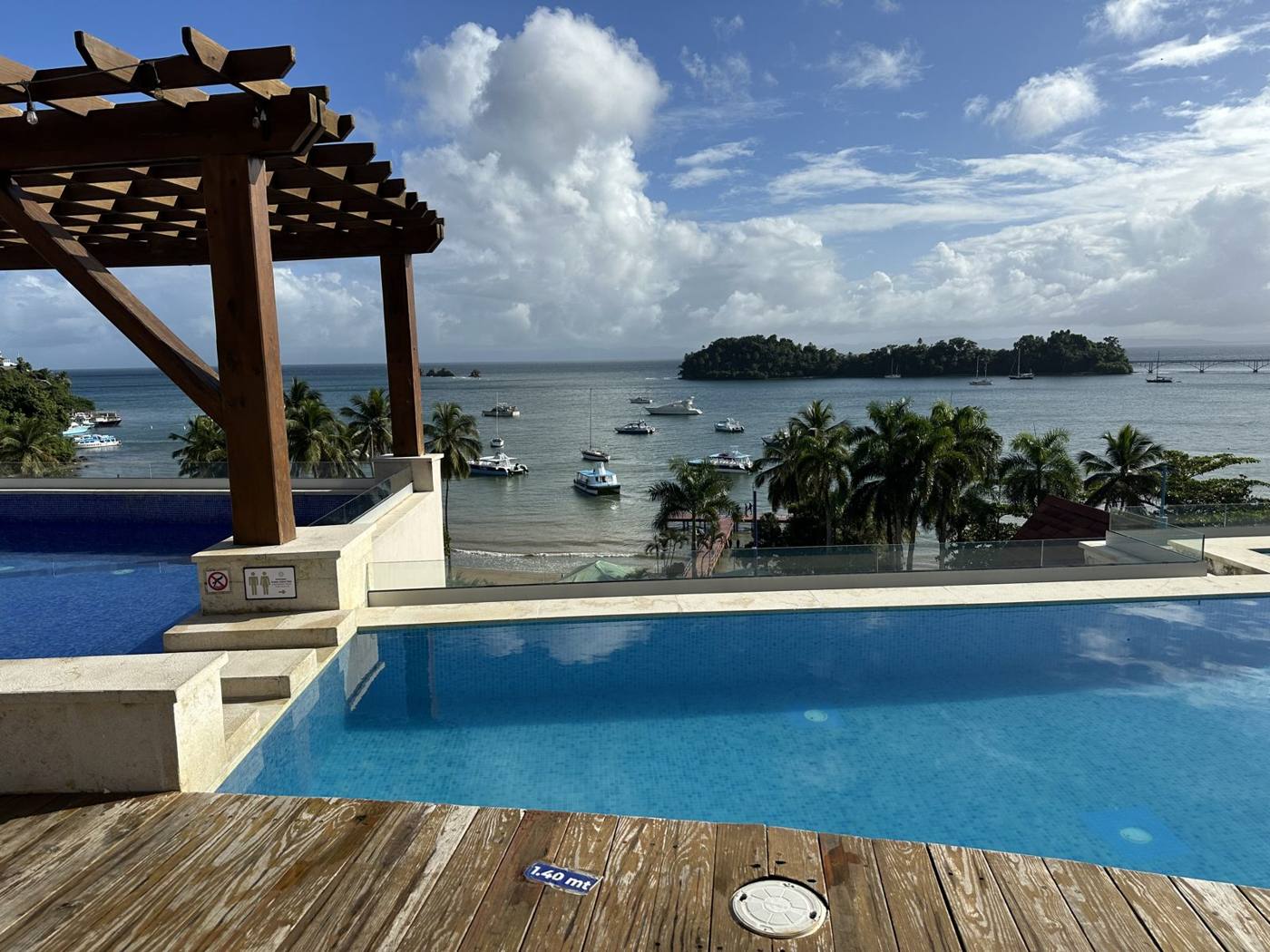
Our winter villa sat high above Samaná Bay, looking out at the boats and little green islands, a short drive from the whale-watching docks. It made the perfect base for a few slow days.
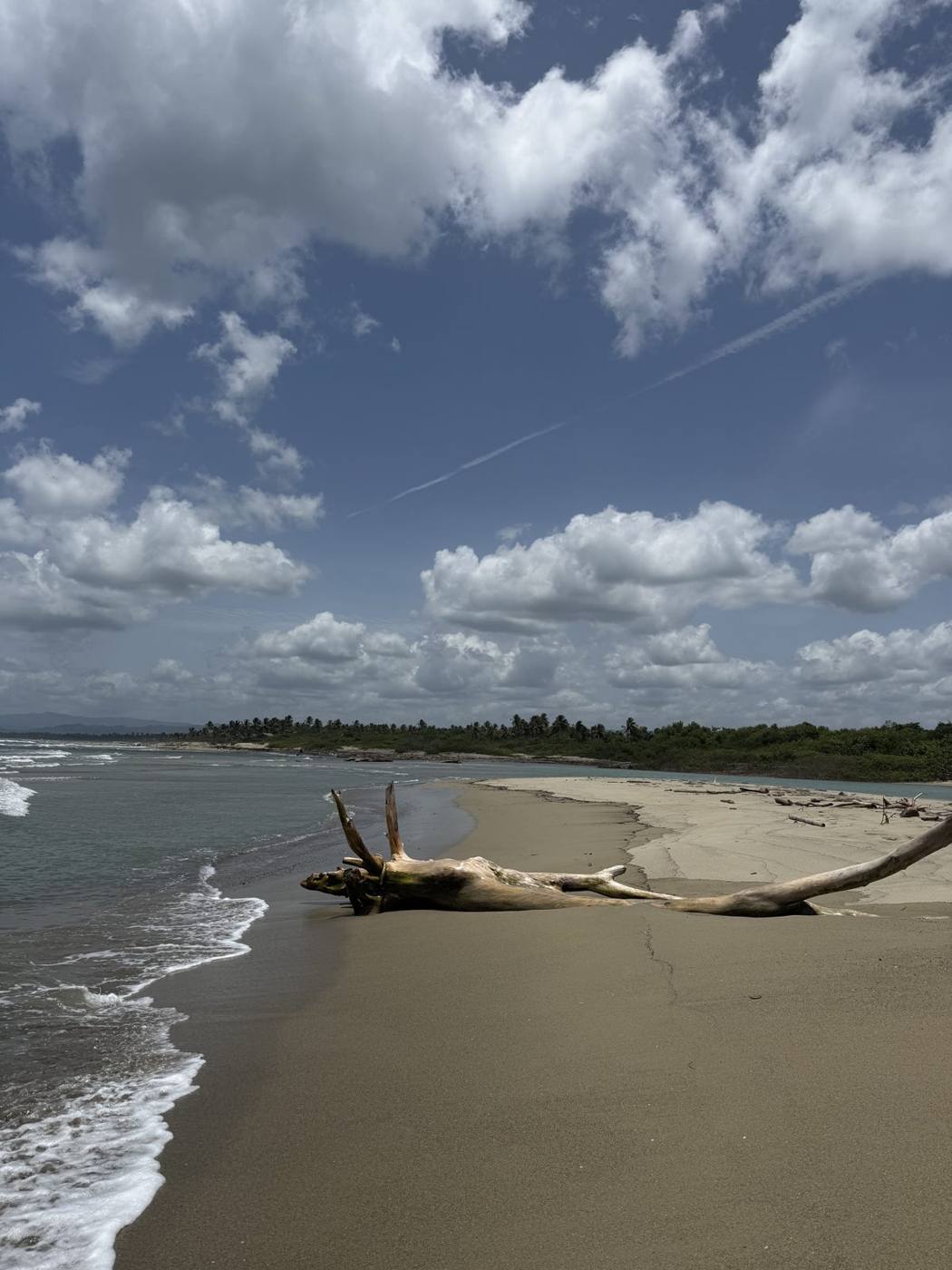
On the other side of the peninsula, Las Terrenas has a relaxed, European feel, with French bakeries, beachfront cafés and a mix of locals and expats who came for a vacation and never left. Playa Bonita and Playa Cosón are long, quiet stretches of sand lined with palms. From there, it’s easy to reach the El Limón waterfall, a hike or horseback ride through the jungle to a tall cascade with a swimming hole. Playa Rincón, often called one of the most beautiful beaches in the Caribbean, is a day trip away, and so are the mangroves, caves and limestone islands of Los Haitises National Park.
Cabarete: beach town energy
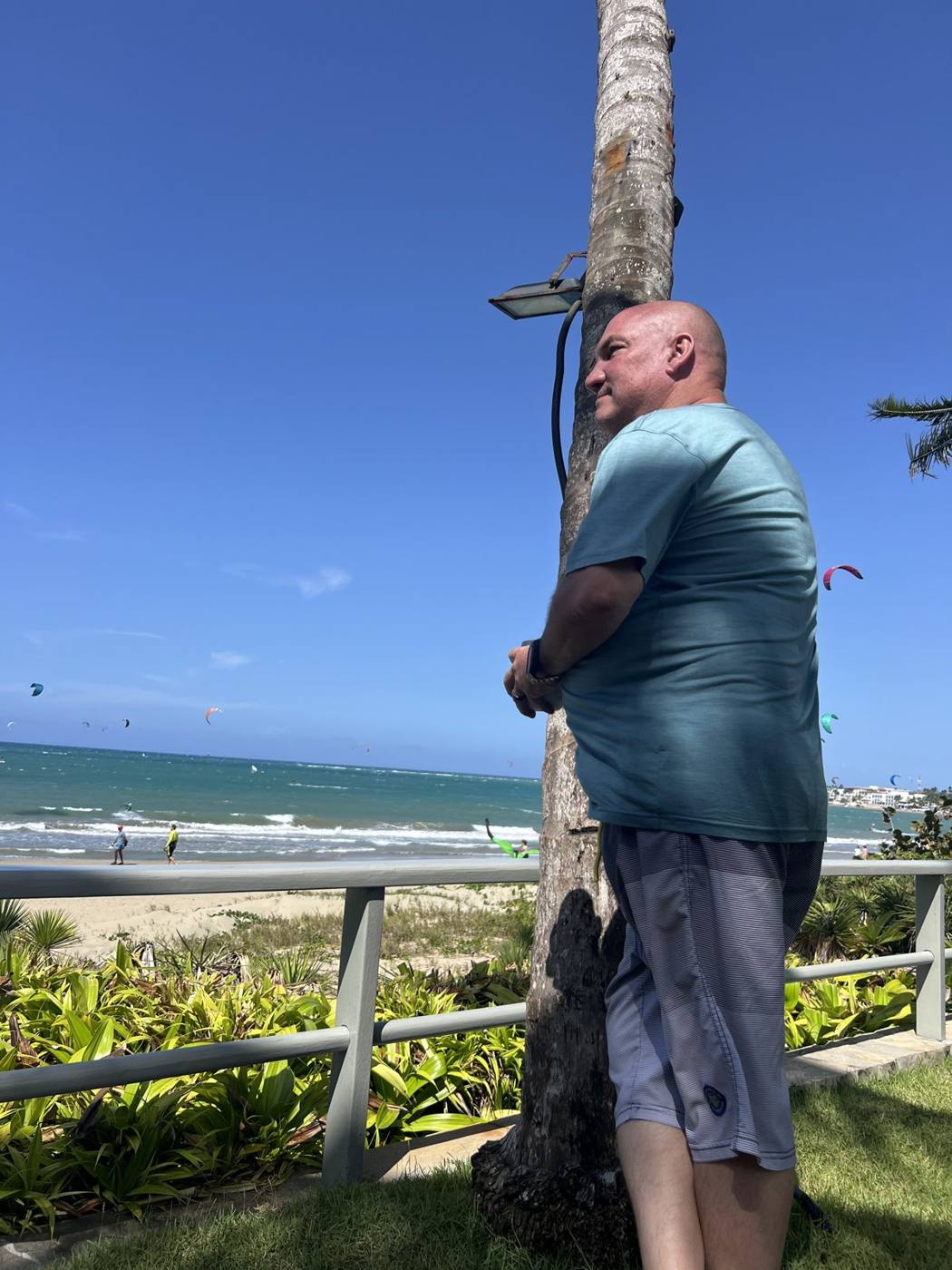
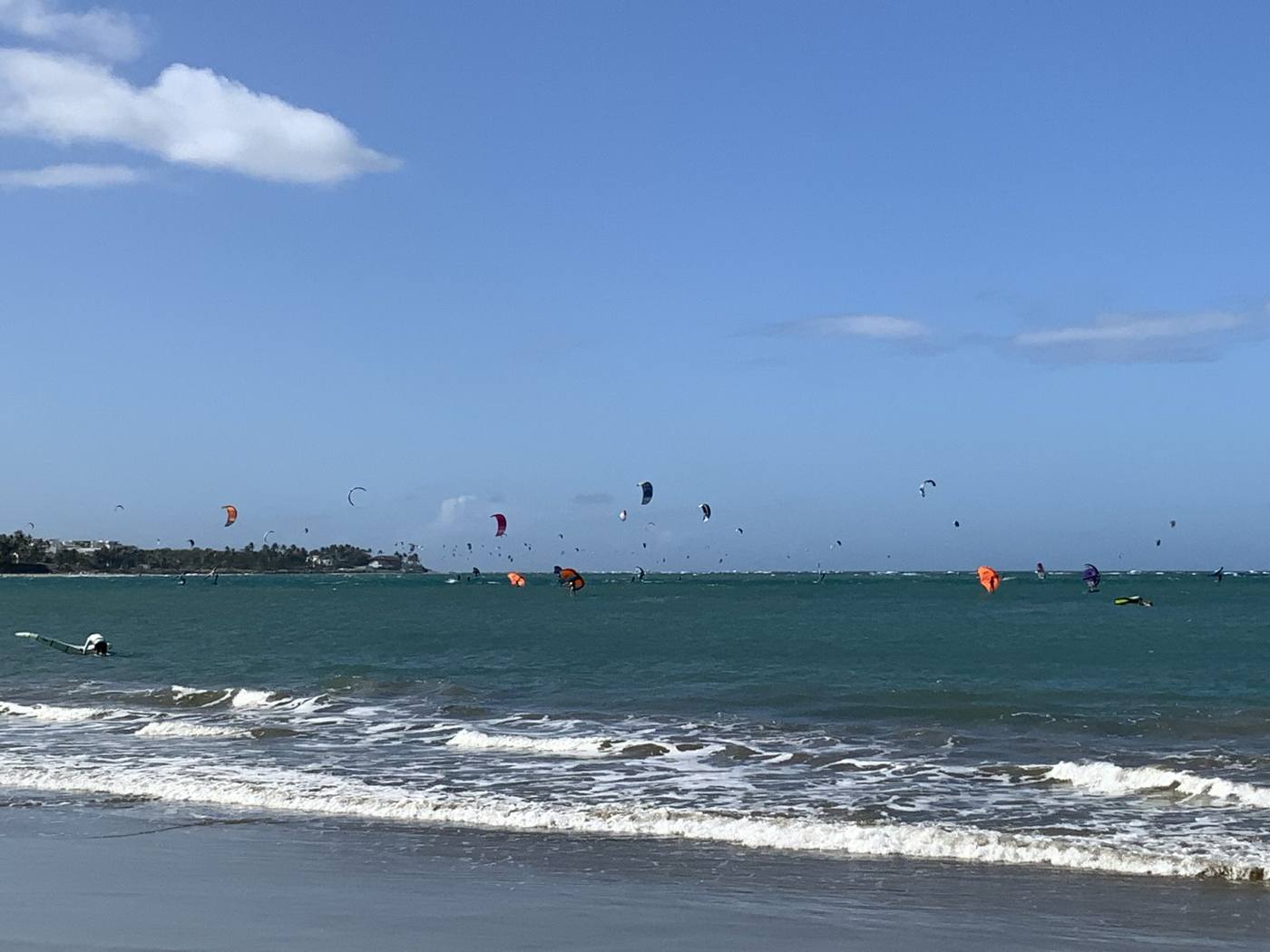
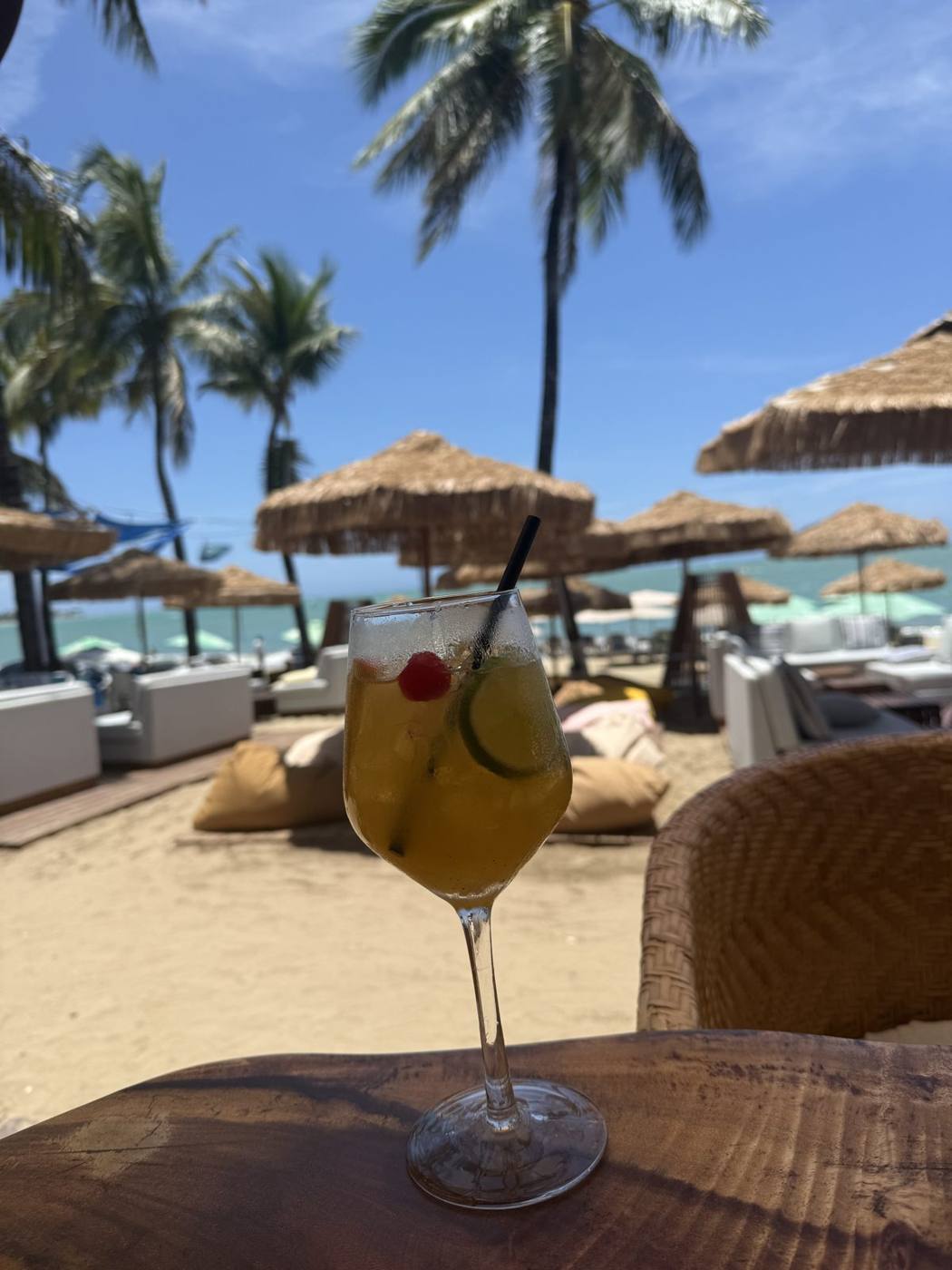
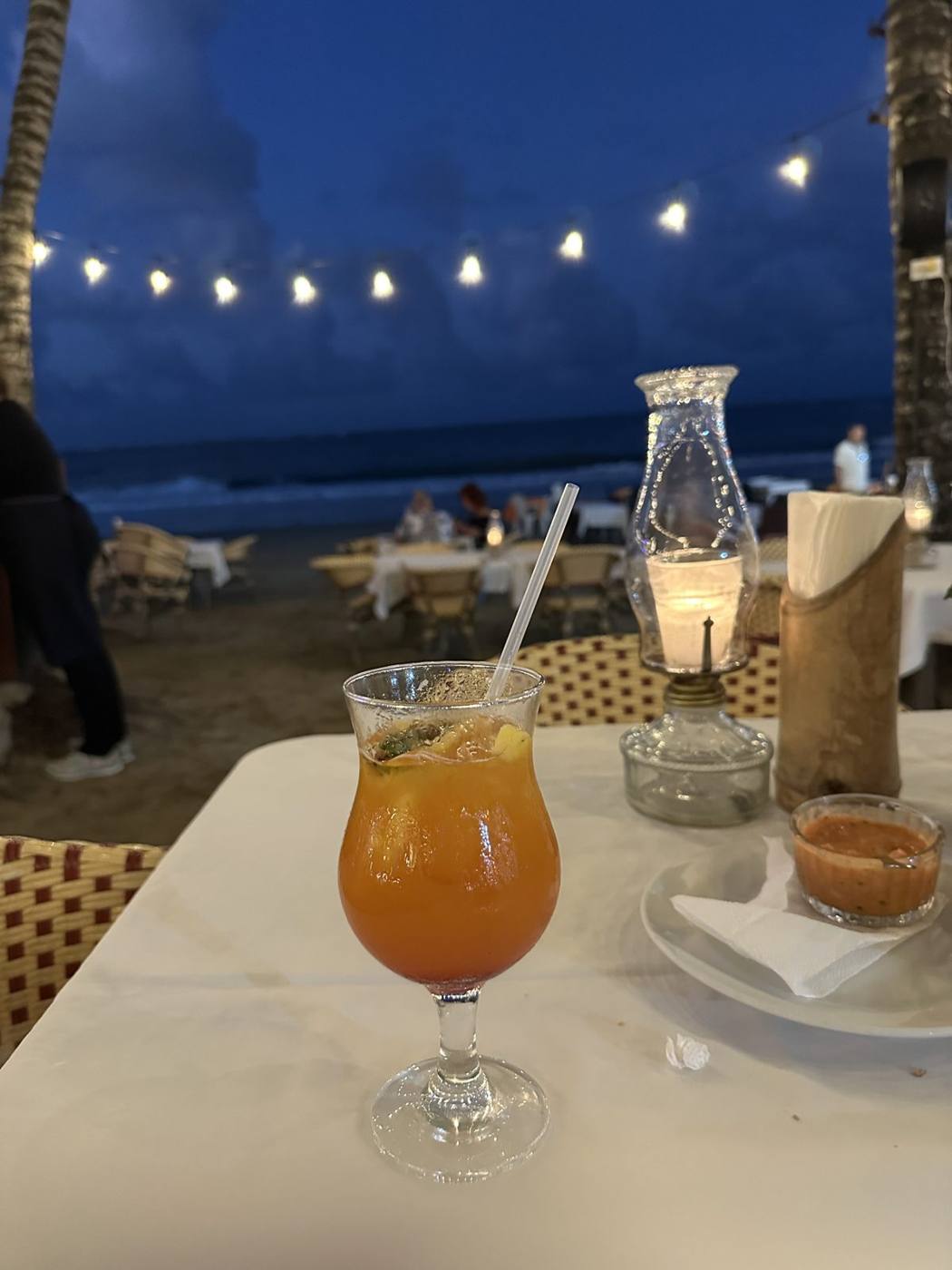
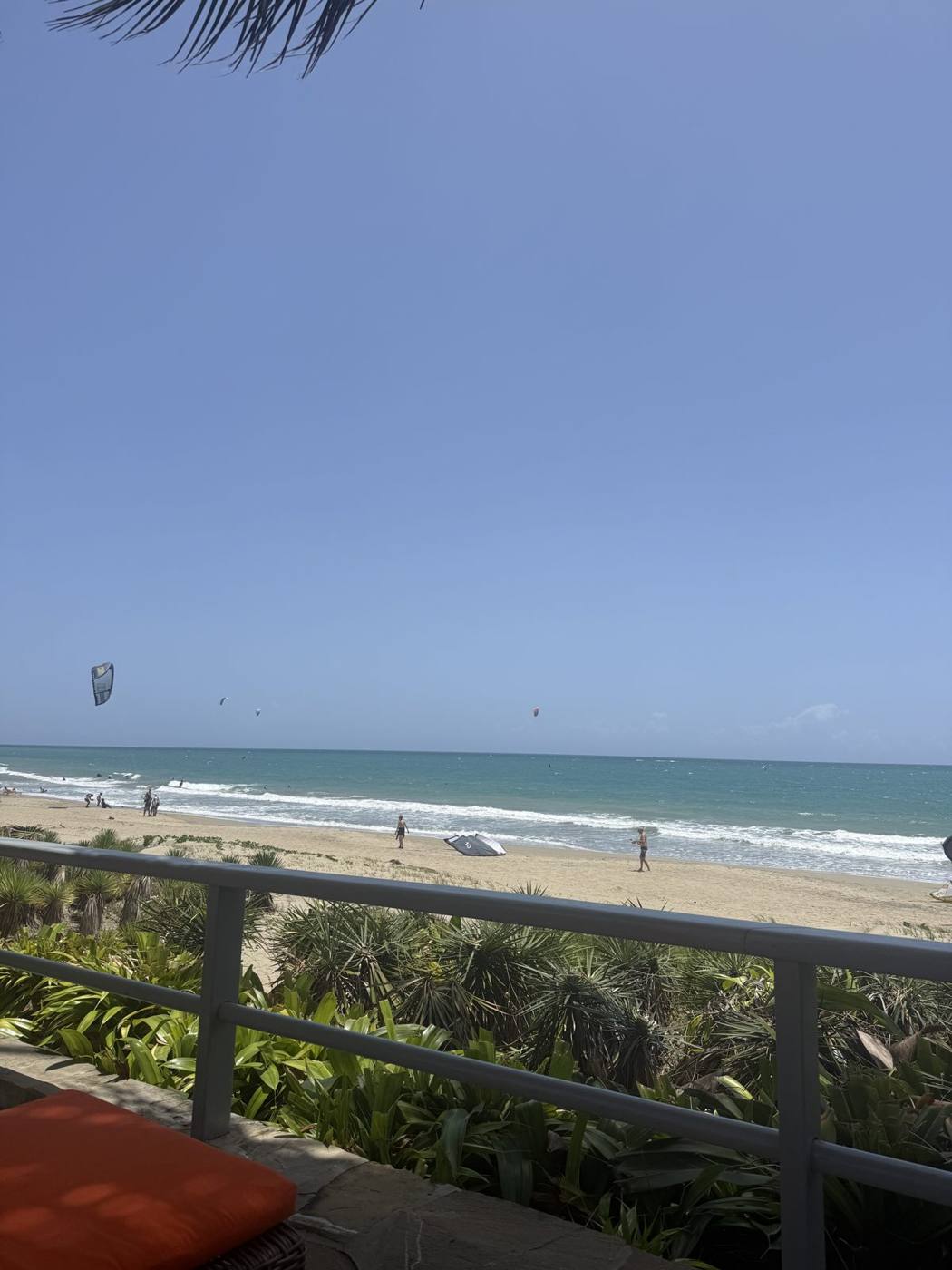
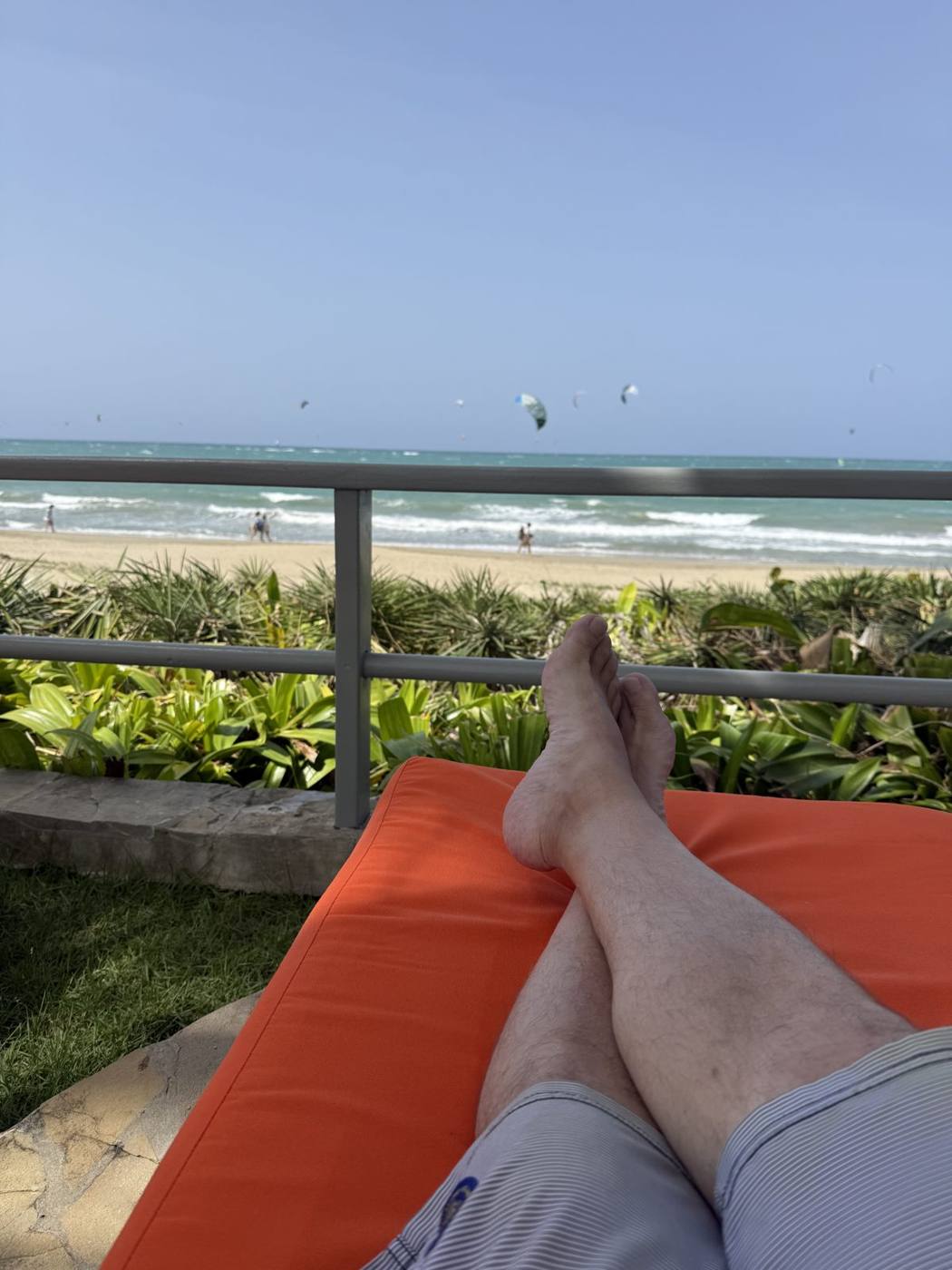
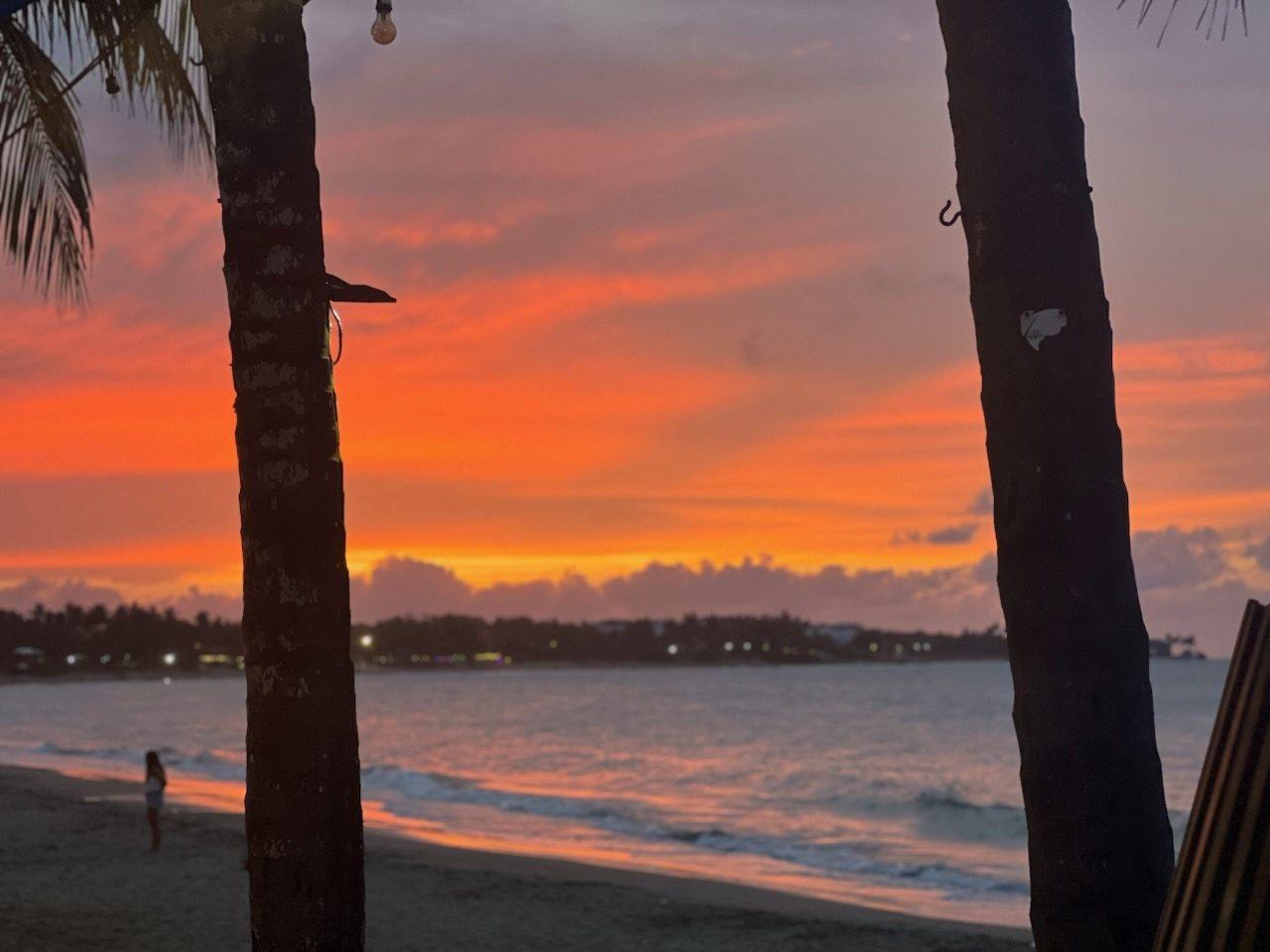
Cabarete is the North Coast’s liveliest beach town. Its long, curving bay is world famous for kitesurfing and windsurfing, and on a breezy afternoon the sky is full of colorful kites. You don’t have to ride to enjoy it. Grab a table at one of the beach bars, order a cold Presidente or a rum cocktail, and watch the show. In the evening, the beach turns into one long dining room, with tables in the sand, string lights overhead and fresh seafood on the menu.
Caves, horses and La Boca
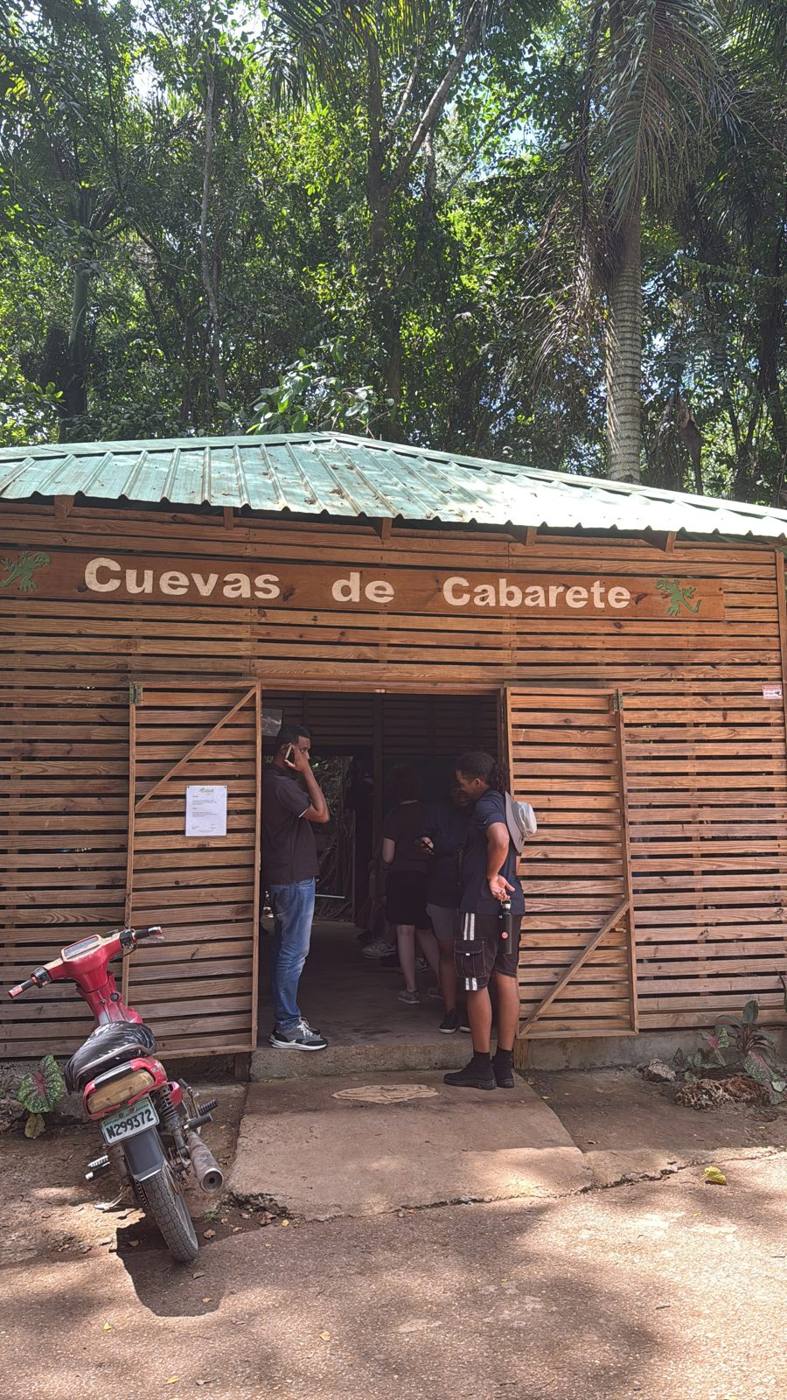
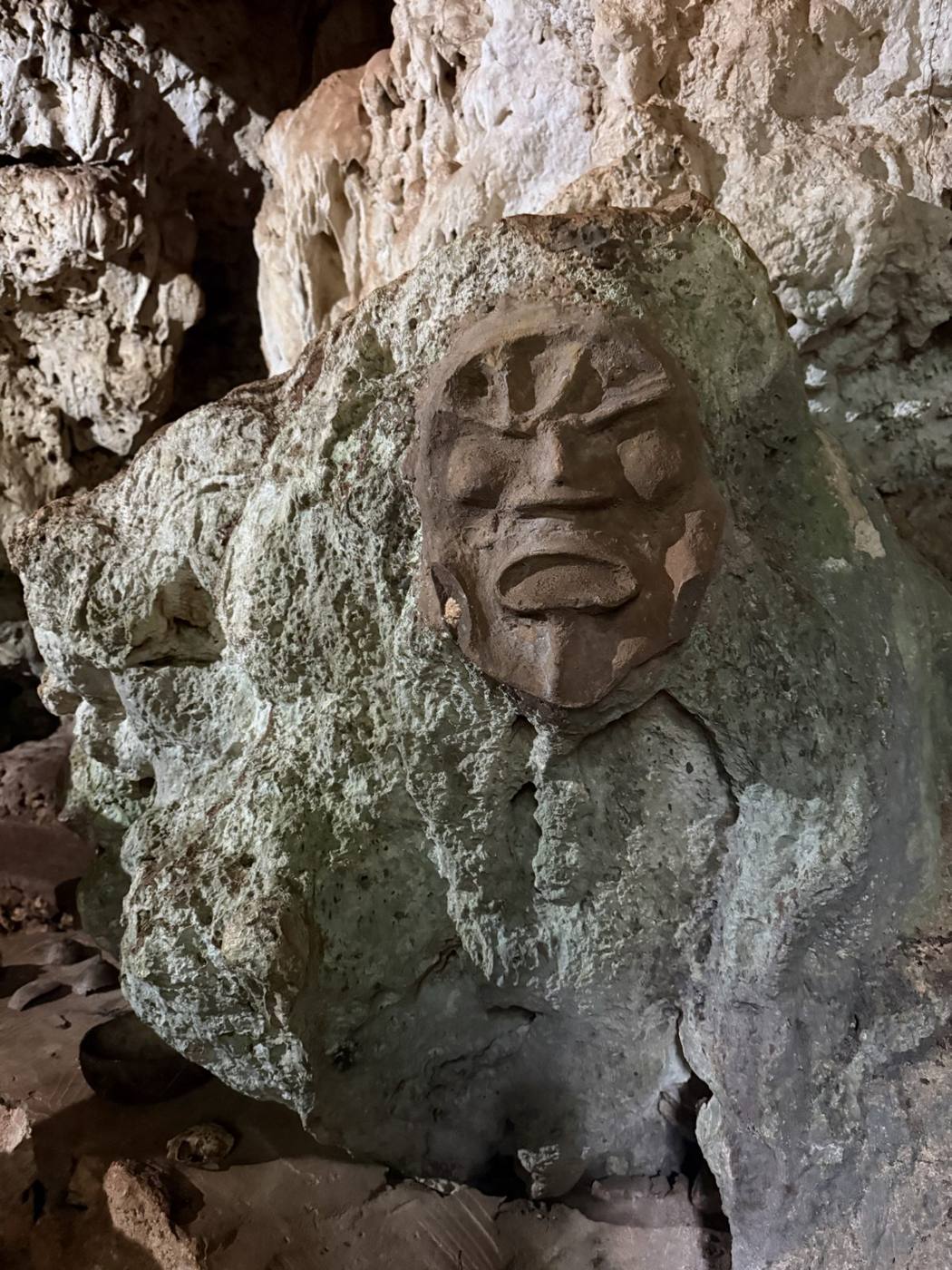
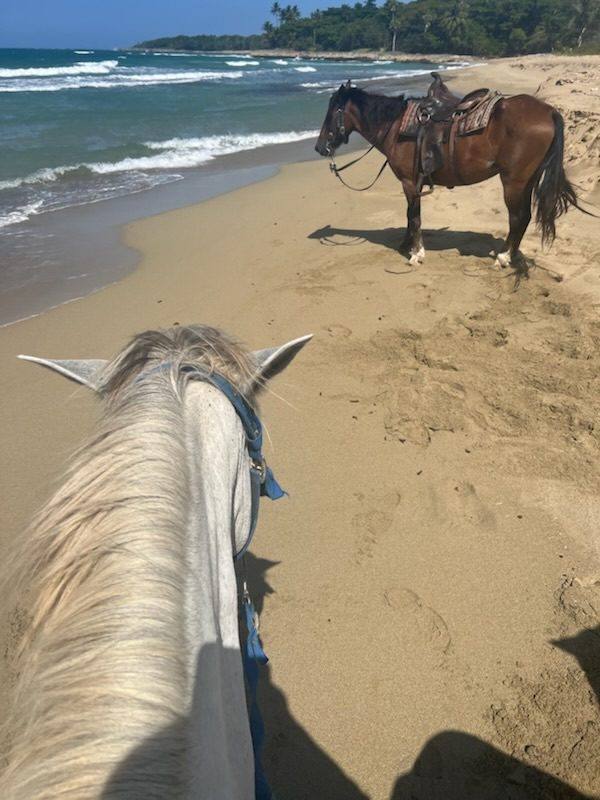
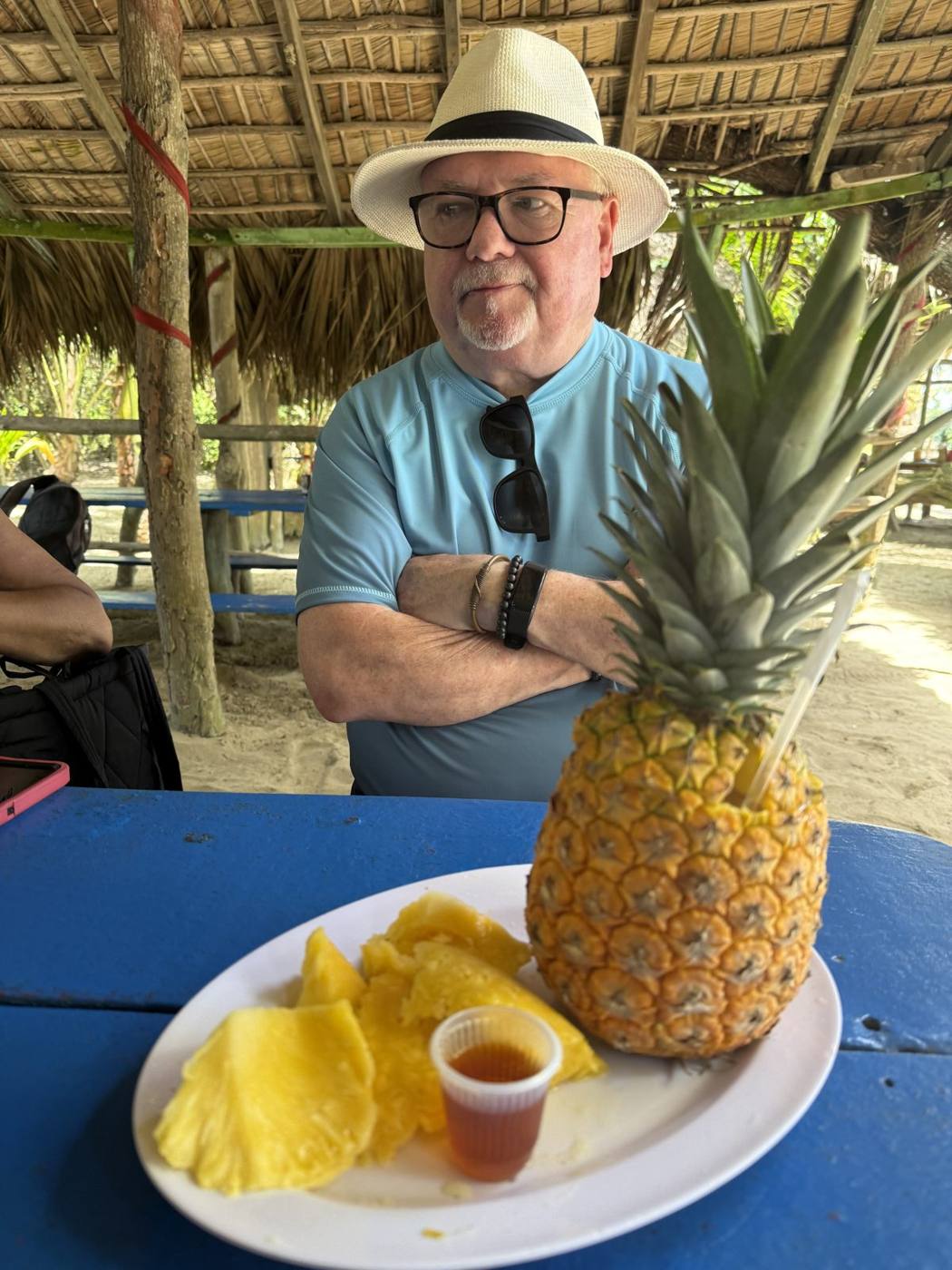
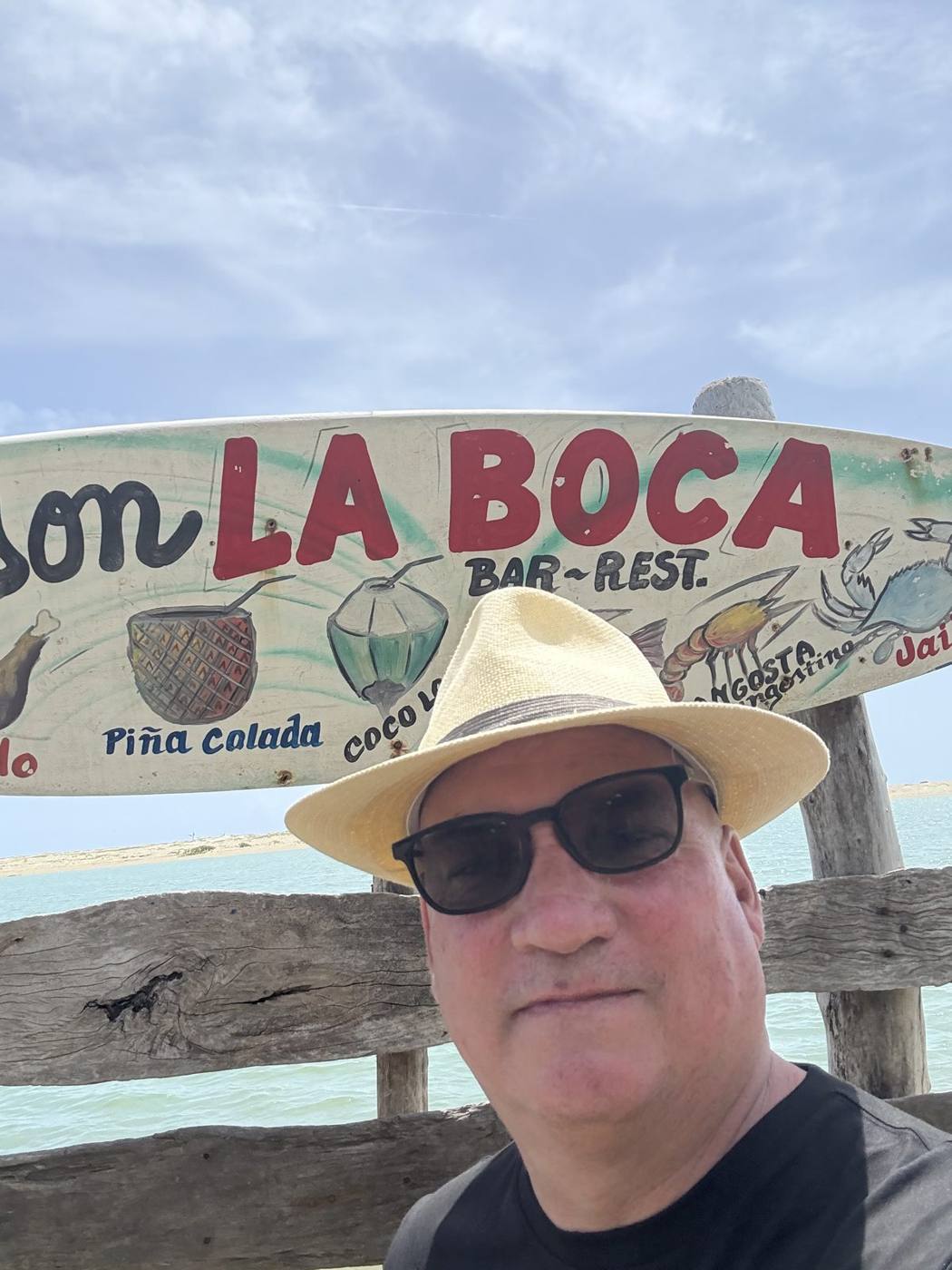
Some of the best parts of Cabarete are off the beach. Just inland, the Cabarete caves wind through the forest, with cool swimming holes and carvings left by the Taíno, the island’s first people. You can ride horseback along the beach, which is as fun as it sounds, and spend a lazy morning at La Boca, where the river meets the sea, with kayaking, boat rides and a beach shack serving fresh pineapple and grilled fish.
Sosúa: calm water and a surprising history
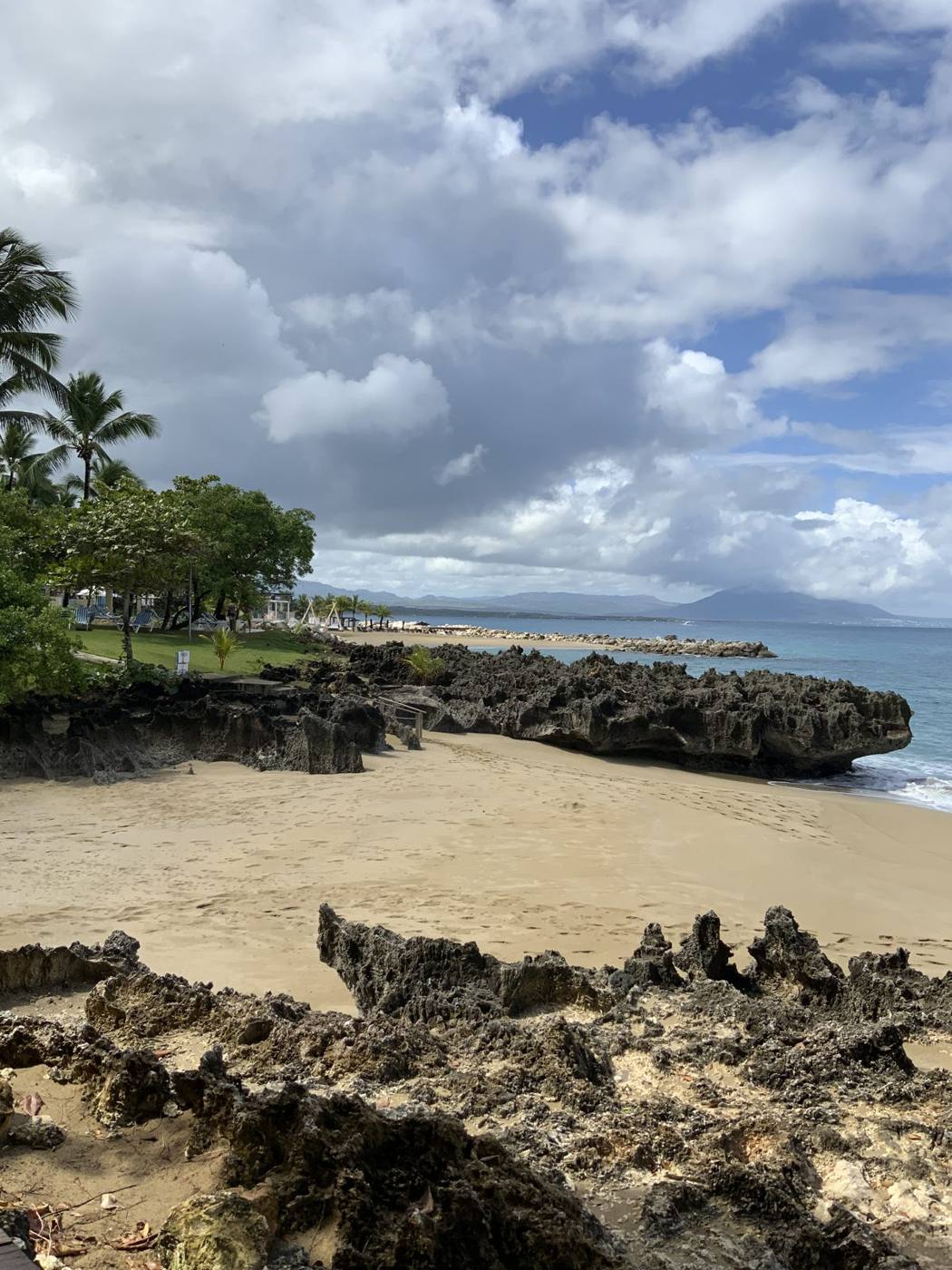
About 15 minutes west of Cabarete, Sosúa sits on a sheltered horseshoe bay with calm, clear water that’s great for swimming and snorkeling. Dive shops line the beach, and the reefs are an easy boat ride away.
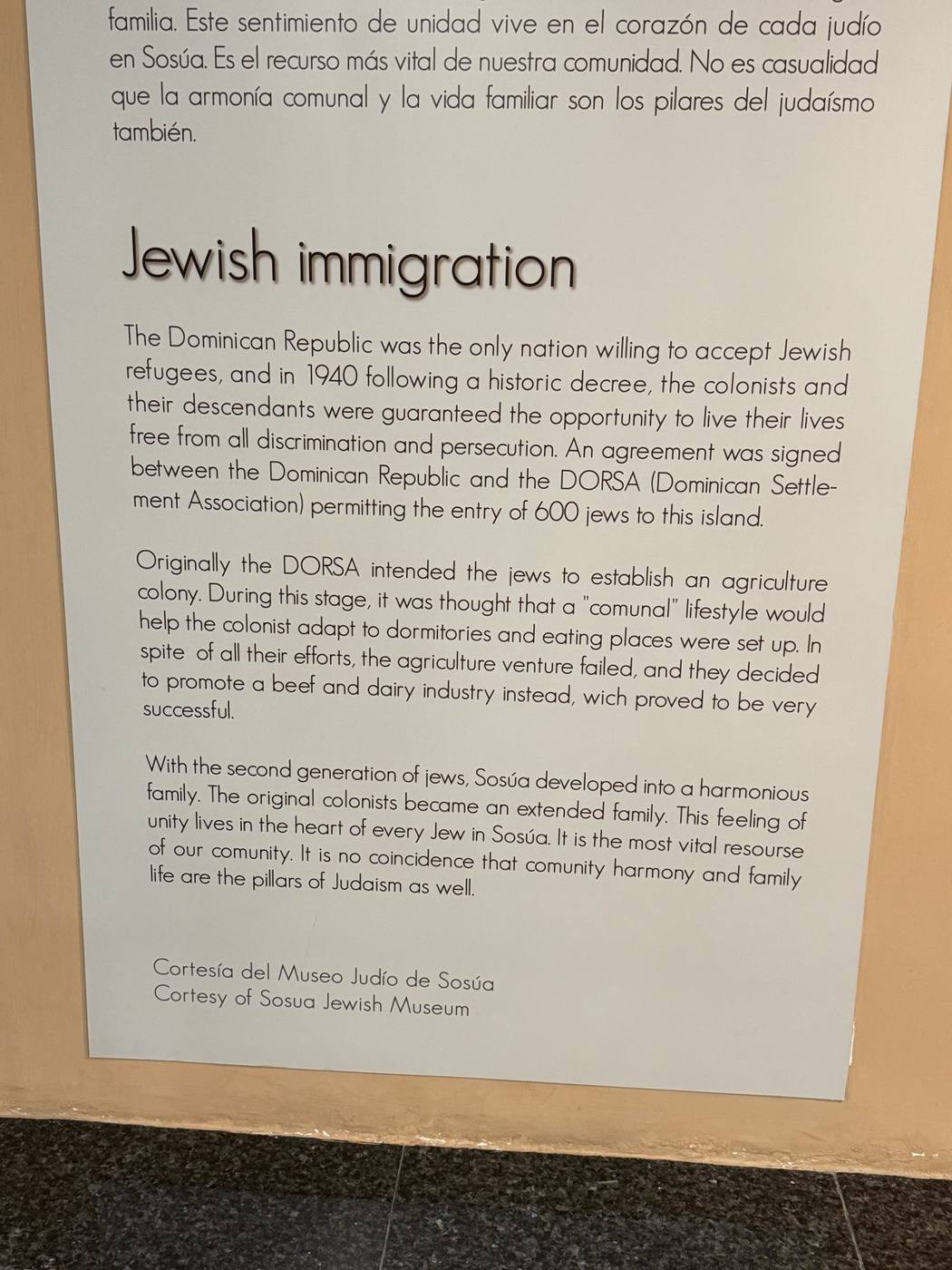
Sosúa also has a story most visitors never hear. In 1940, the Dominican Republic opened its doors to Jewish refugees fleeing Europe, and the families who settled here started a dairy and helped build the town. The small Jewish Museum tells that story with old photographs and exhibits, and it’s well worth an hour of your trip.
Puerto Plata and the La Aurora cigar factory
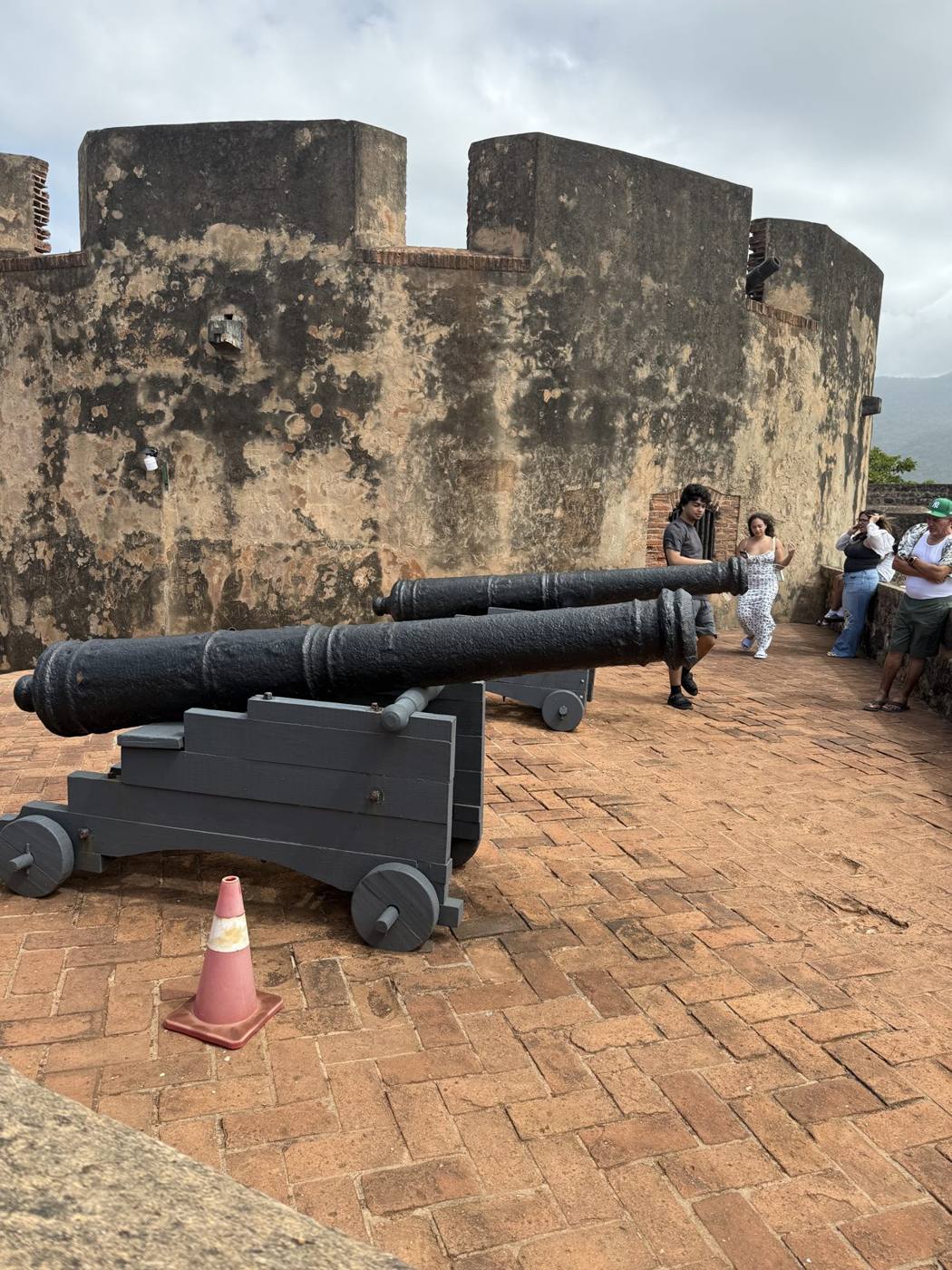
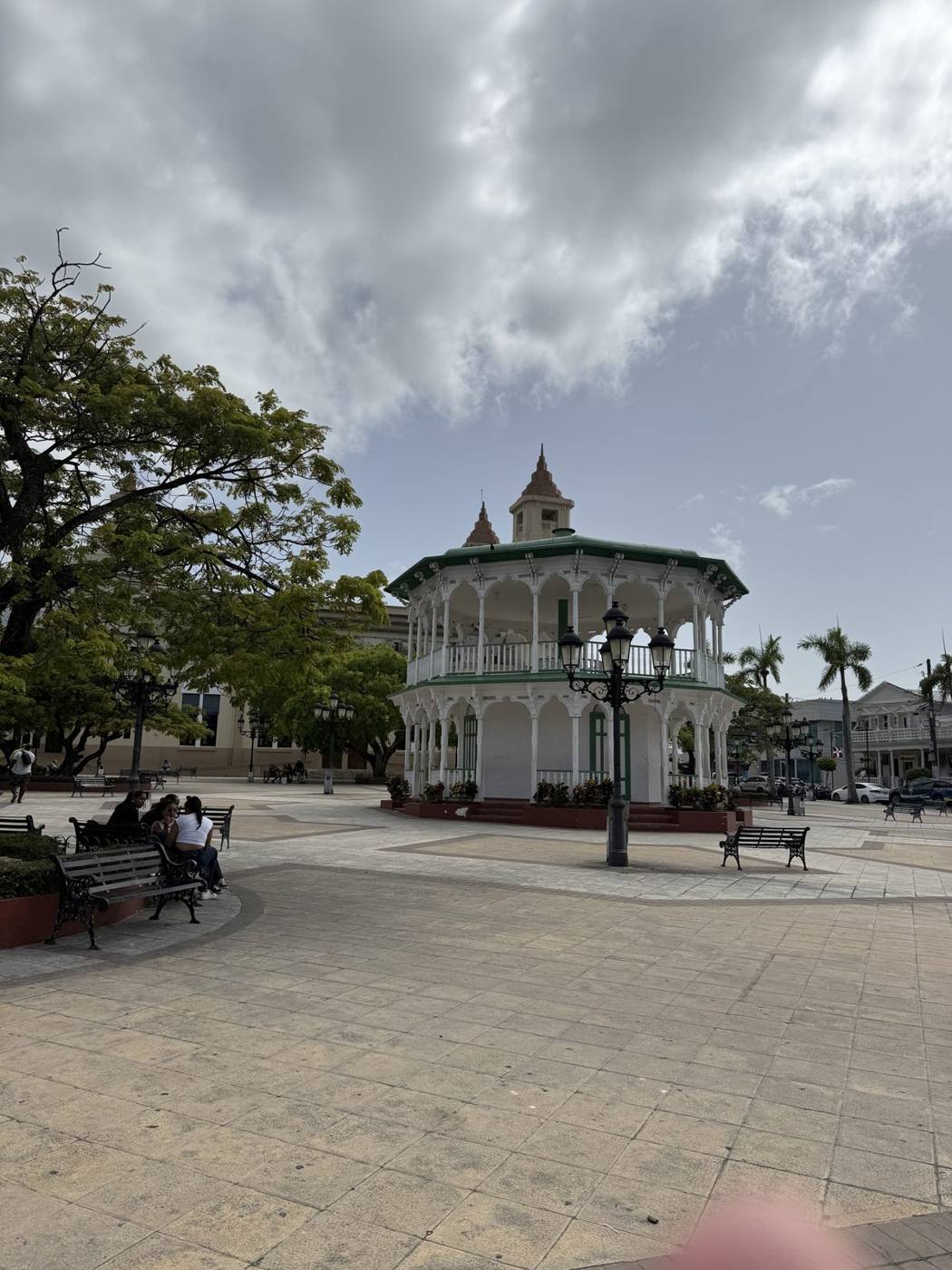
Puerto Plata makes an easy half-day trip from Sosúa or Cabarete. Walk the walls of the Fortaleza San Felipe, a 16th-century Spanish fort guarding the harbor, then stroll the colorful Victorian streets around the central park.
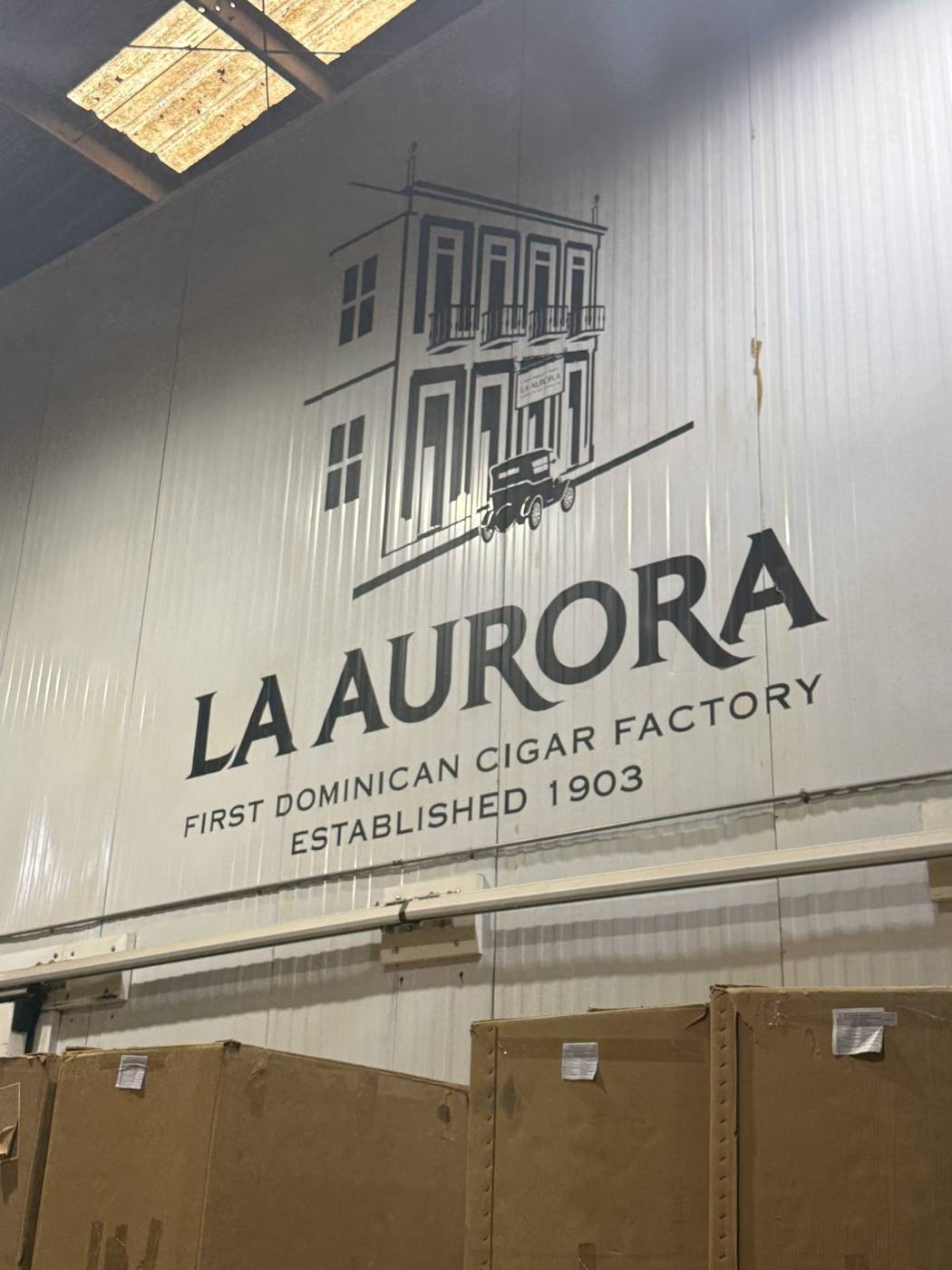
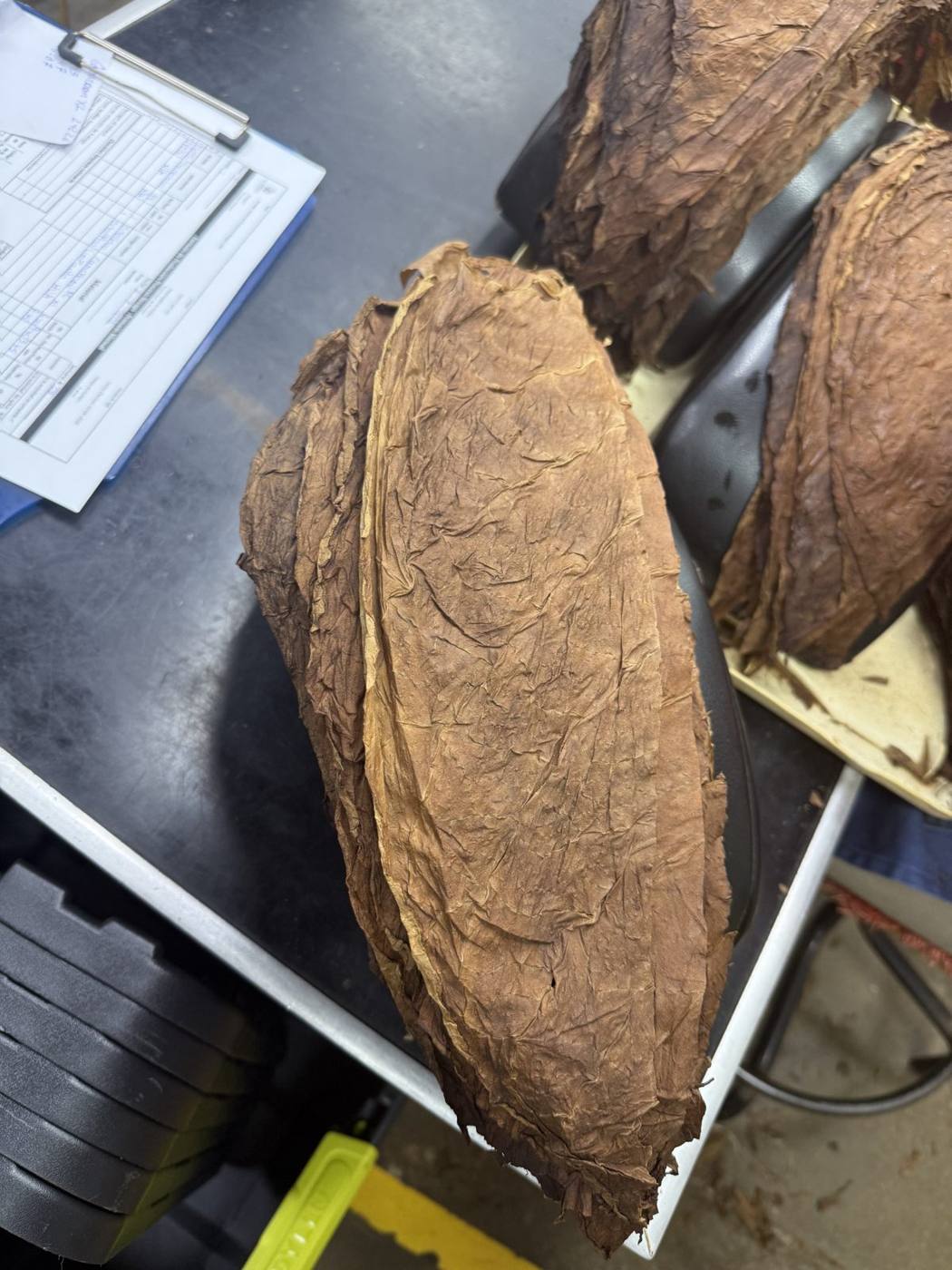
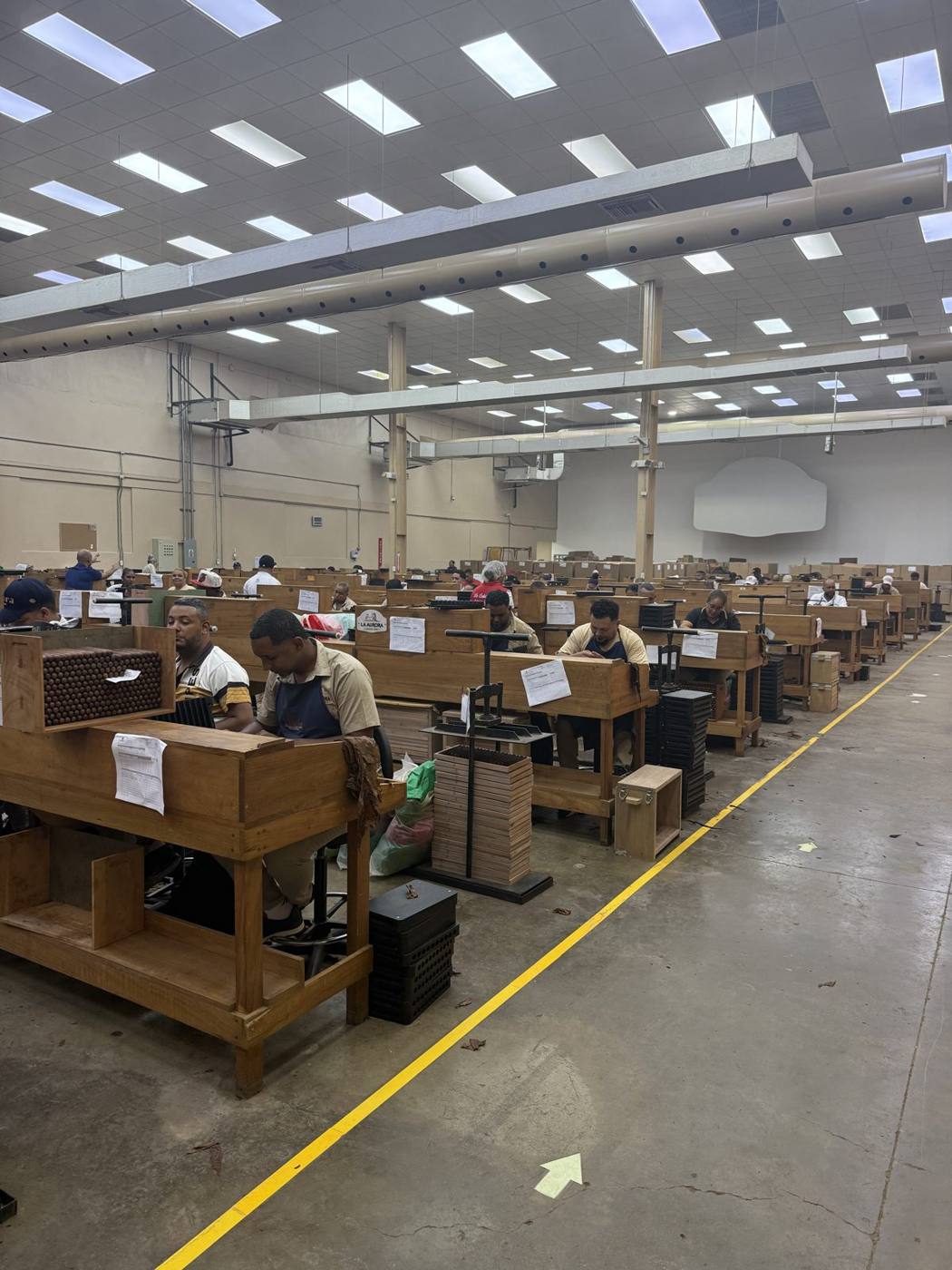
We also toured the La Aurora cigar factory in Santiago, about an hour inland. La Aurora has been making cigars since 1903, and the tour walks you through every step, from the tobacco seeds and curing barns to the rolling floor, where skilled torcedores roll cigars by hand. Even if you don’t smoke, it’s a fascinating look at one of the country’s proudest traditions.
Getting there and getting around
- For Cabarete and Sosúa, fly into Puerto Plata (POP). JetBlue flies nonstop from JFK in about four hours, and Sosúa is about 20 minutes from the airport.
- For Las Terrenas and Samaná, the closest airport is Samaná El Catey (AZS), with seasonal flights, about 30 minutes from Las Terrenas. You can also fly into Santo Domingo and drive about two and a half hours on the highway.
- Hire a driver. Driving in the Dominican Republic can be chaotic. A private driver for airport transfers and day trips is safer, easier and surprisingly affordable. We arrange them for our clients.
- Fill out the DR e-Ticket before you fly. Every traveler needs it for entry and exit. Here’s our step-by-step guide.
- Get Global Entry if you travel internationally even once a year. Coming home through U.S. customs takes minutes instead of an hour.
A sample 10-day North Coast itinerary
- Days 1–4: Samaná and Las Terrenas. Fly into Santo Domingo or El Catey and settle into a villa on the peninsula. Spend a morning whale watching, hike or ride to El Limón, and take a boat to Los Haitises or a day at Playa Rincón.
- Day 5: Transfer to Cabarete. A private driver takes you along the coast, about three hours with stops.
- Days 6–10: Cabarete, Sosúa and Puerto Plata. Settle into your second villa. Take a kite lesson, ride horses on the beach, explore the Cabarete caves, snorkel in Sosúa Bay, visit the Jewish Museum, and spend a day touring Puerto Plata or the La Aurora cigar factory. Fly home from Puerto Plata.
Frequently asked questions
When is whale watching season in Samaná?
Humpback whale season in Samaná Bay runs from January 15 to March 31 each year, with February usually the peak. Tours leave from the town of Samaná and last about three to four hours.
Is renting a villa in the Dominican Republic cheaper than an all-inclusive?
For groups, it often is. When a villa is shared among several couples or a multigenerational family, the cost per person can be lower than booking several resort rooms, and you get private space, a pool and the option of a housekeeper or private chef.
Which airport is best for Cabarete and Sosúa?
Puerto Plata’s Gregorio Luperón International Airport (POP). Sosúa is about 20 minutes away and Cabarete about 30. JetBlue flies there nonstop from JFK.
Can you tour a cigar factory on the North Coast?
Yes. La Aurora, the Dominican Republic’s oldest cigar maker, founded in 1903, offers factory tours in Santiago, about an hour from Puerto Plata. You’ll see the whole process, from tobacco leaves to hand-rolled cigars.
Cabarete, Sosúa or Las Terrenas: which is right for me?
Choose Cabarete for beach-town energy and water sports, Sosúa for calm water, snorkeling and history, and Las Terrenas for quiet beaches, a European café scene and easy access to whale watching and El Limón.
Ready for a different kind of winter escape? We’ll find the right villa for your group, line up drivers and a private chef, book your whale watching and day trips, and handle the flights, so all you have to do is show up and enjoy it.