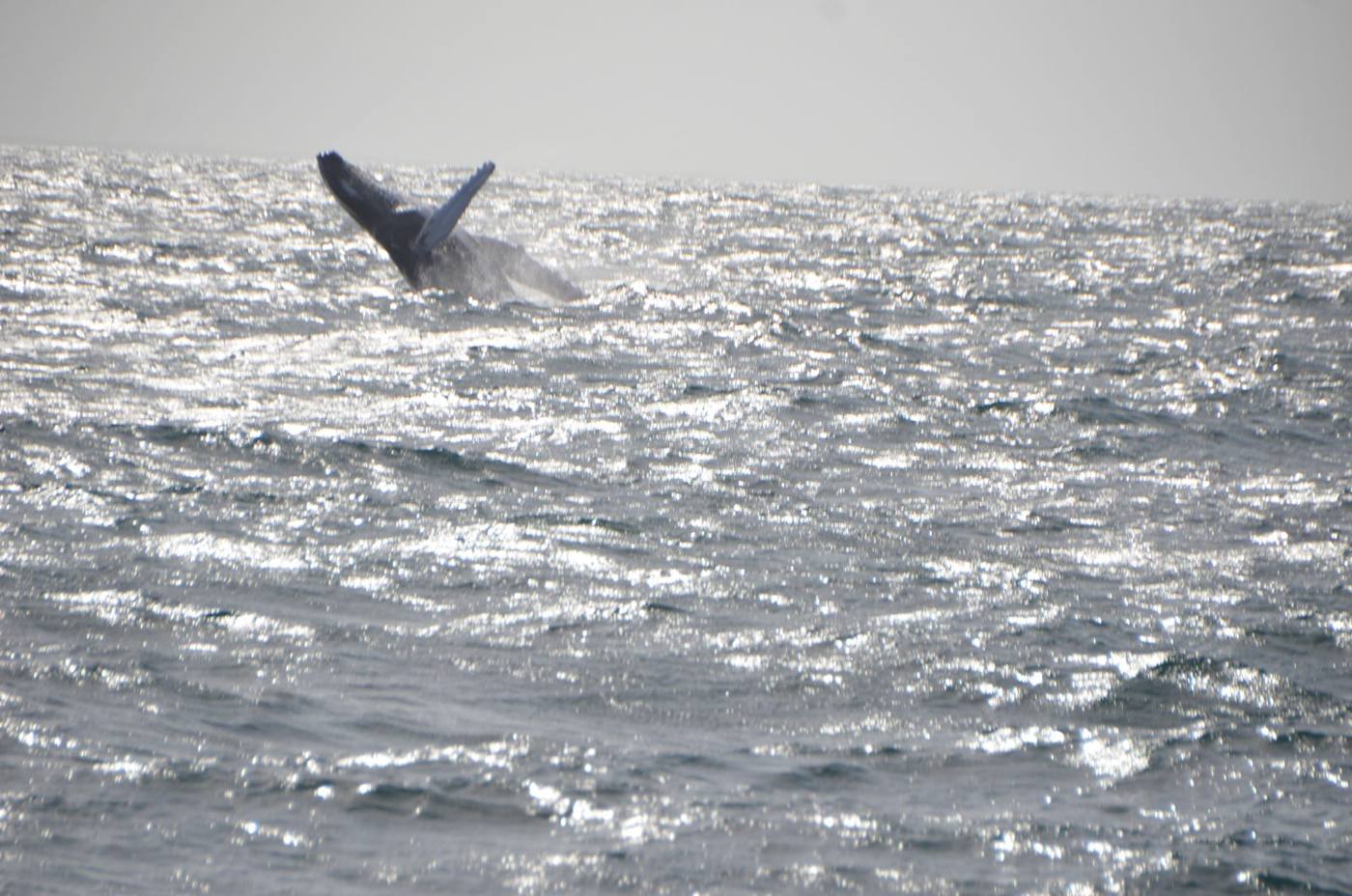
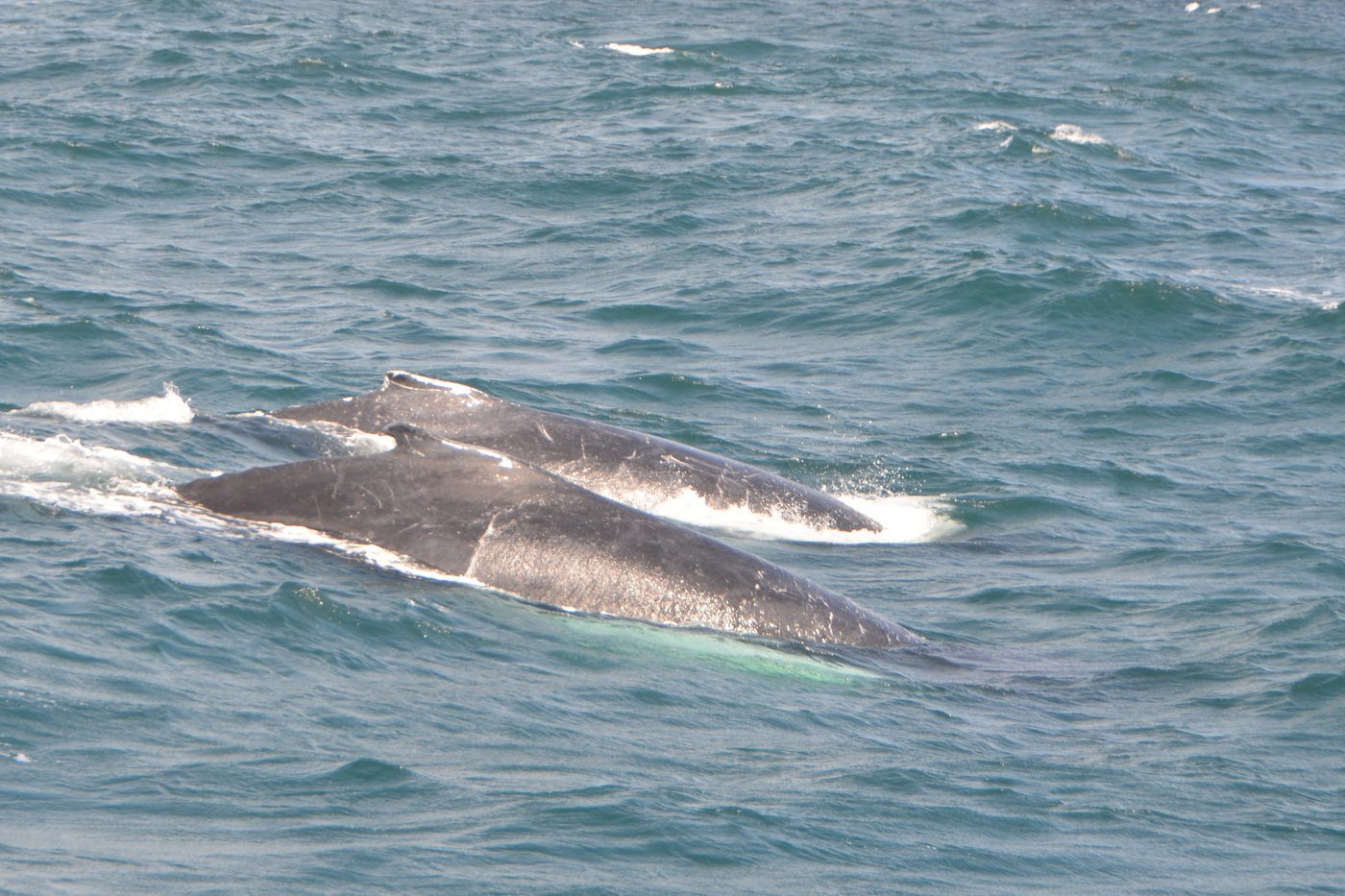
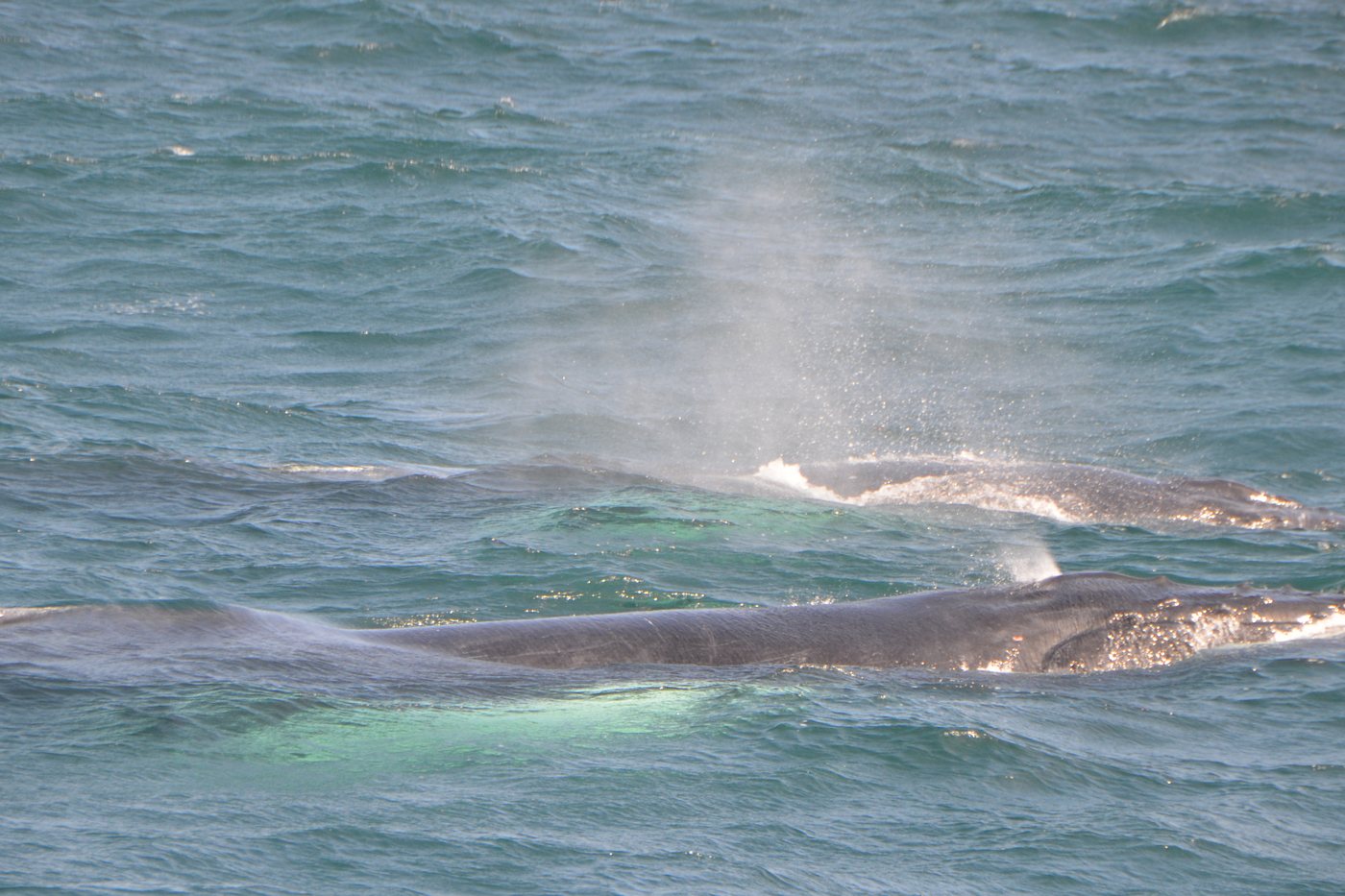
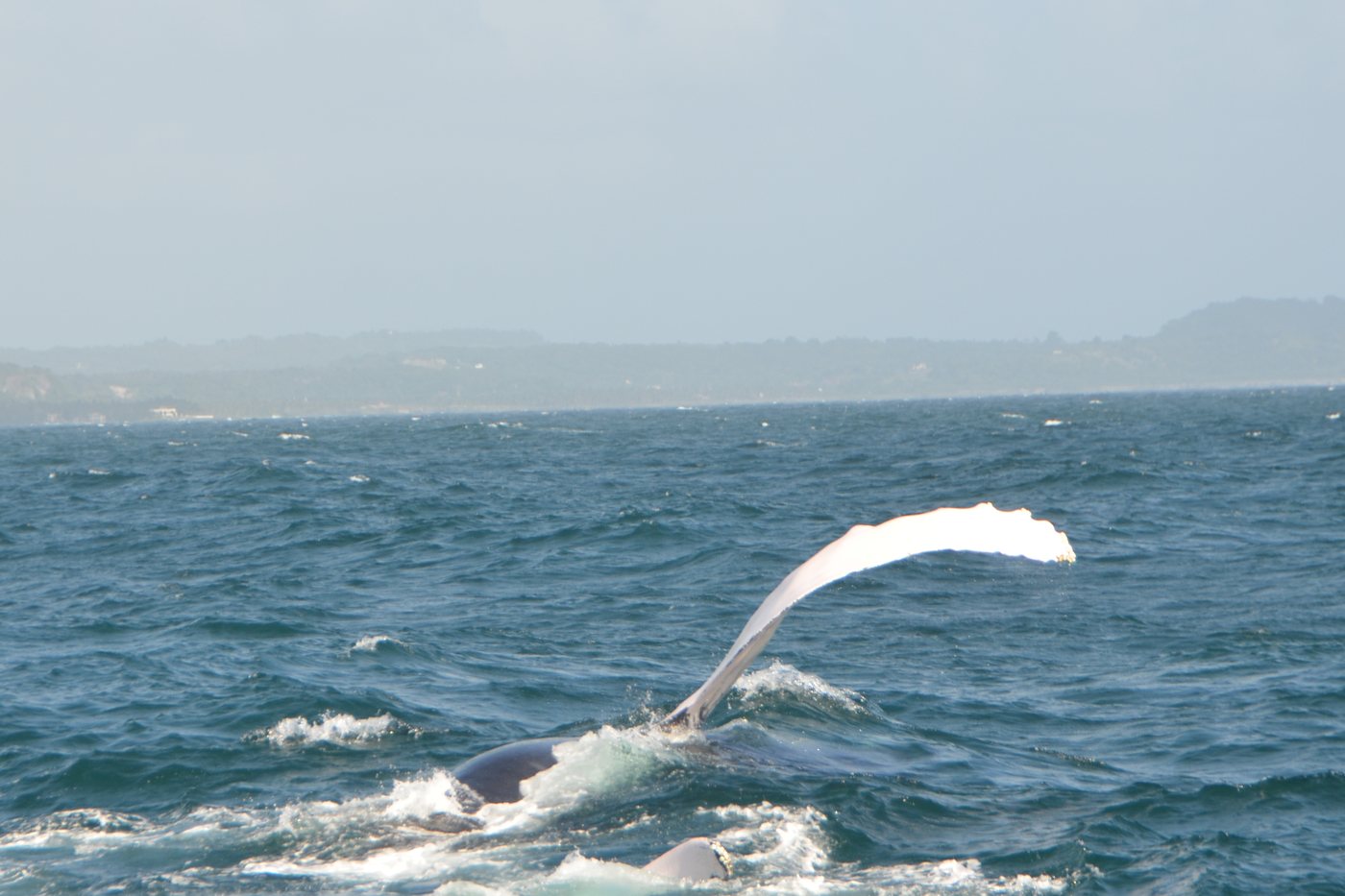
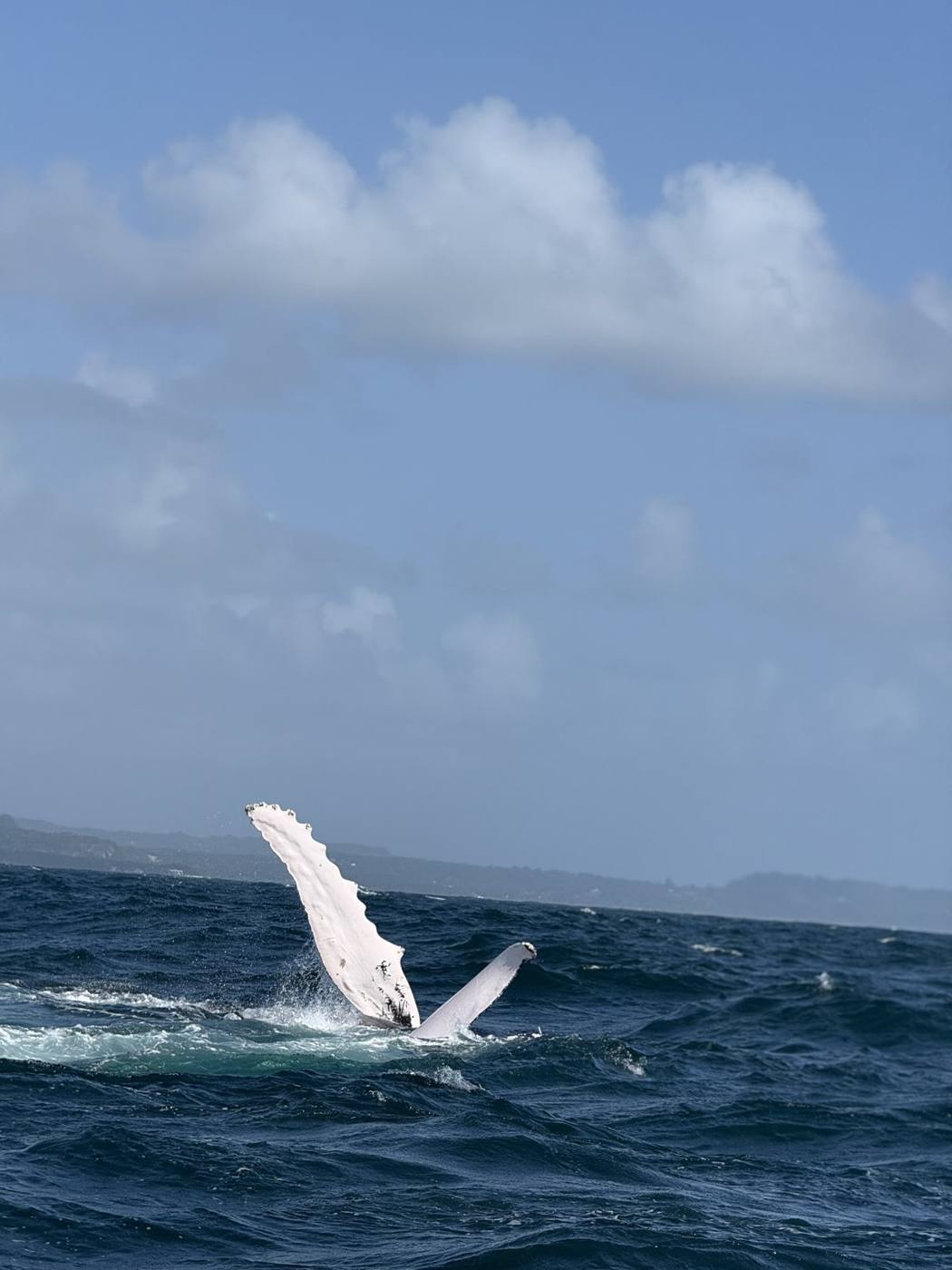
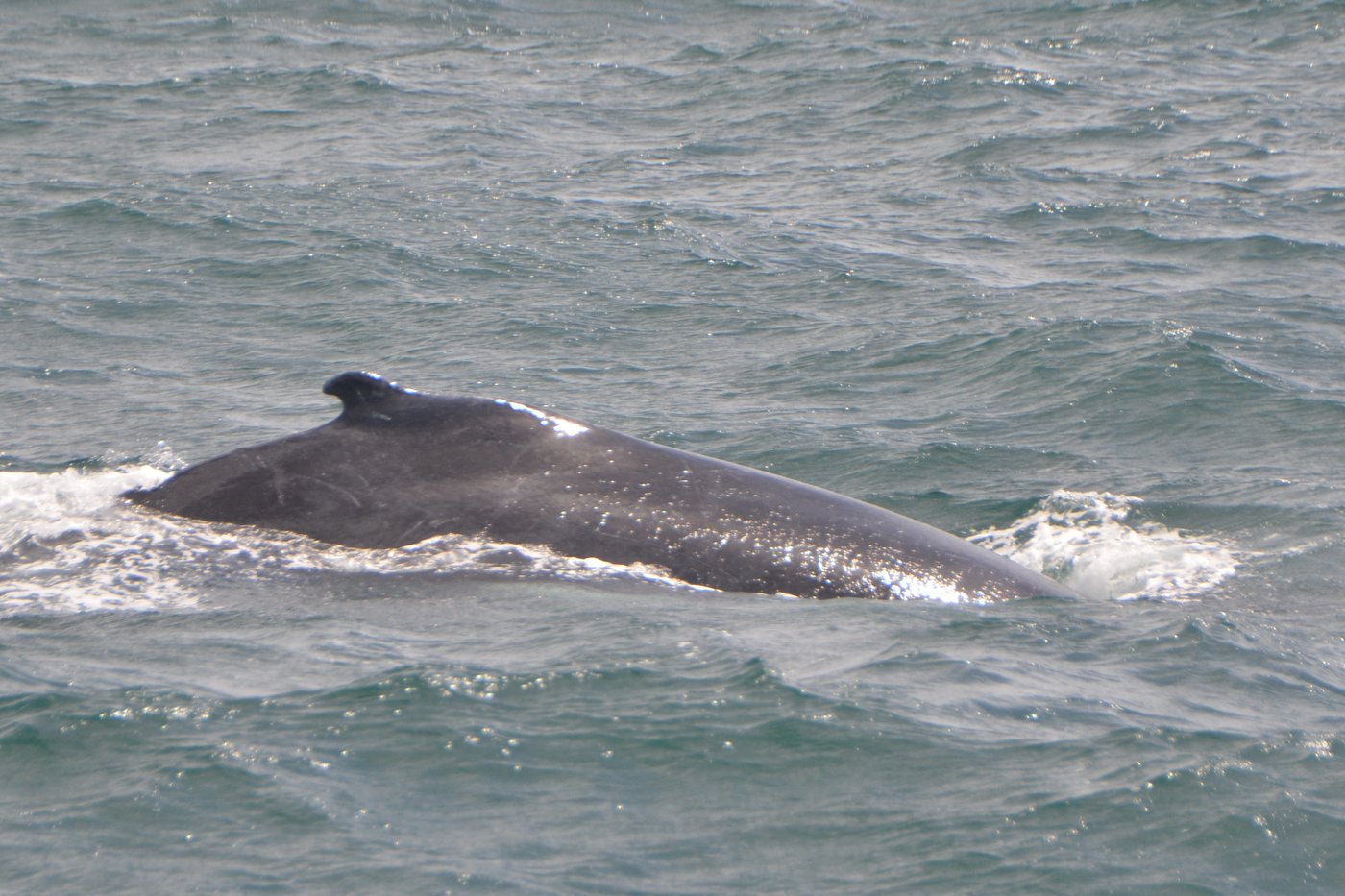
Planning for the 2027 season. Whale season in Samaná Bay runs January 15 to March 31. Mid-February is the sweet spot, and it’s also the most booked. The whale photos in this post are ours, from a morning in Samaná Bay in February 2025.
Some trips you remember for the resort. This one you remember for a single moment: a 40-ton humpback whale launching itself out of the water a few hundred feet from your boat, then crashing back down so hard you feel it in your chest.
Every winter, thousands of North Atlantic humpbacks swim south to the warm, shallow water around the Samaná Peninsula to mate, give birth and raise their calves. It’s one of the best places on earth to see them, and it’s an easy trip from the East Coast. Here’s how I’d plan it.
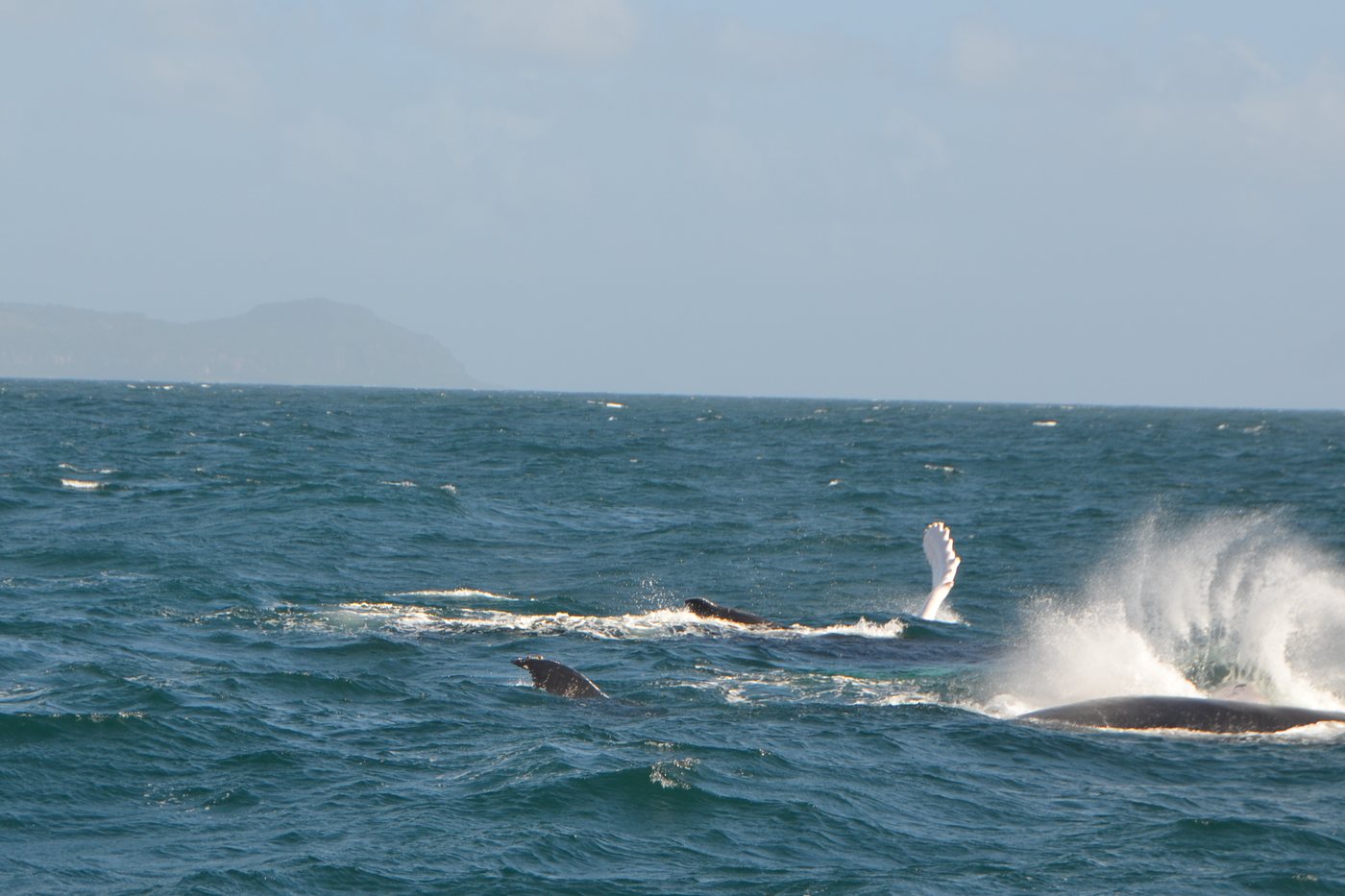
When is whale season in Samaná?
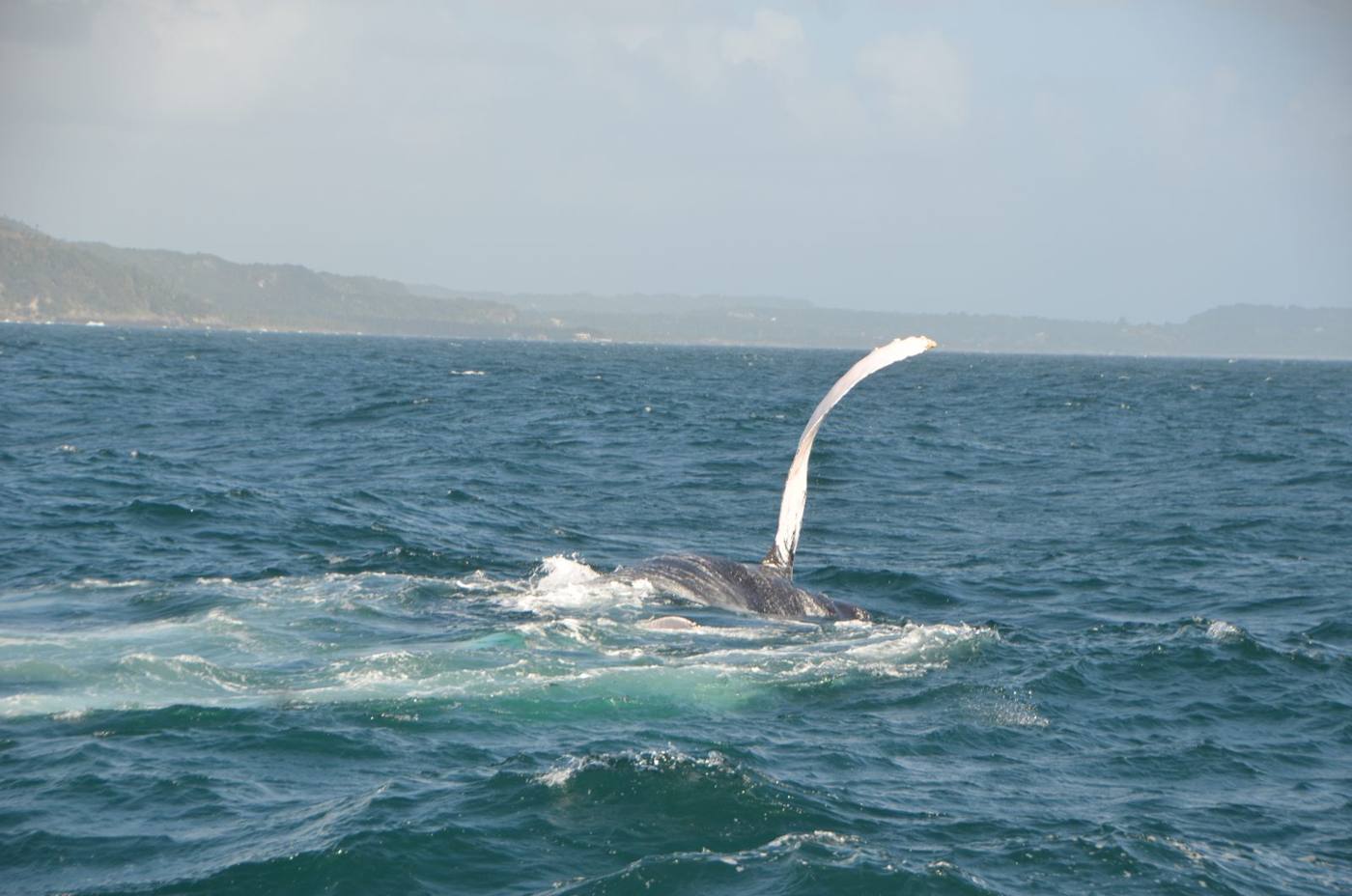
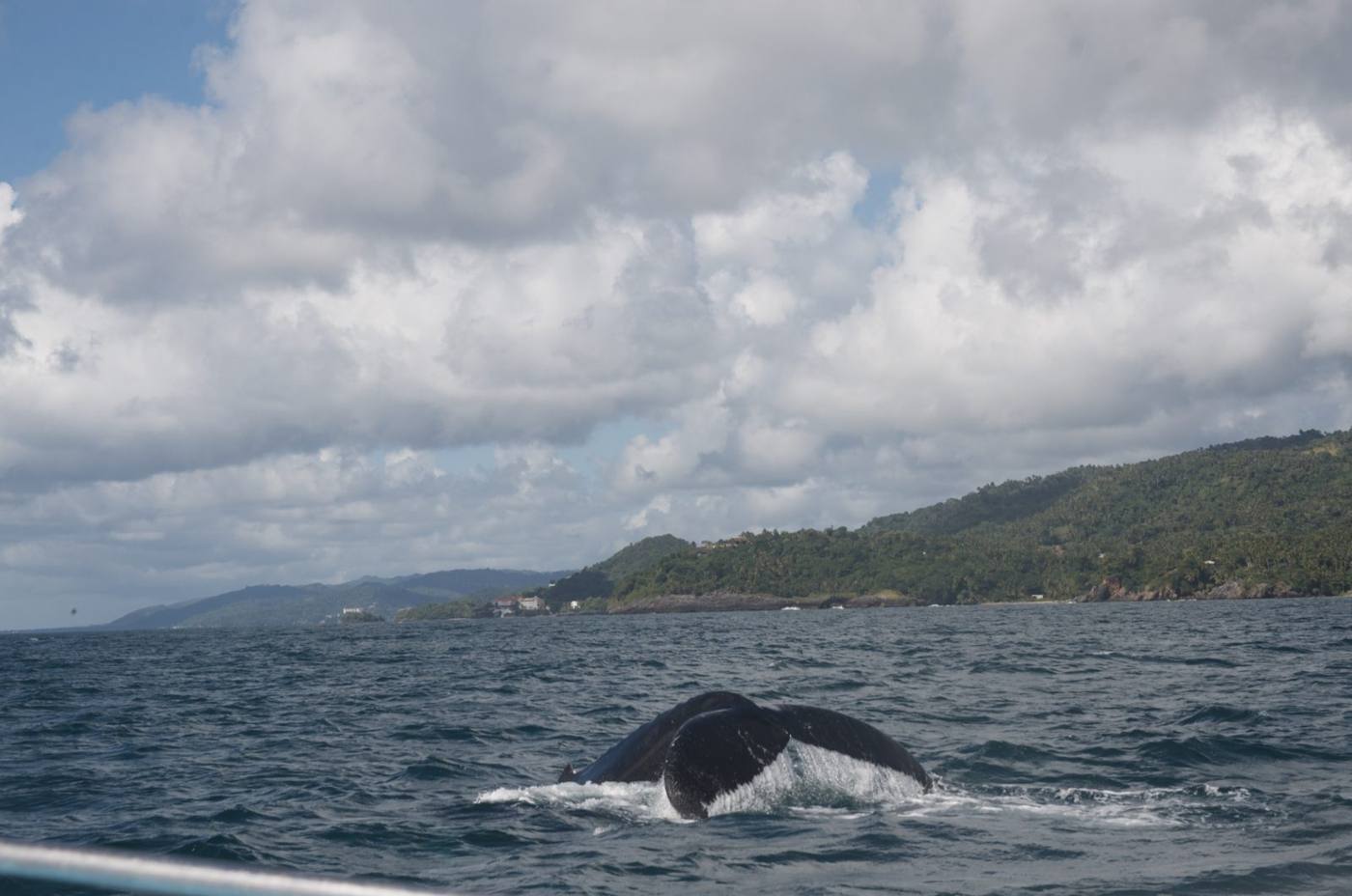
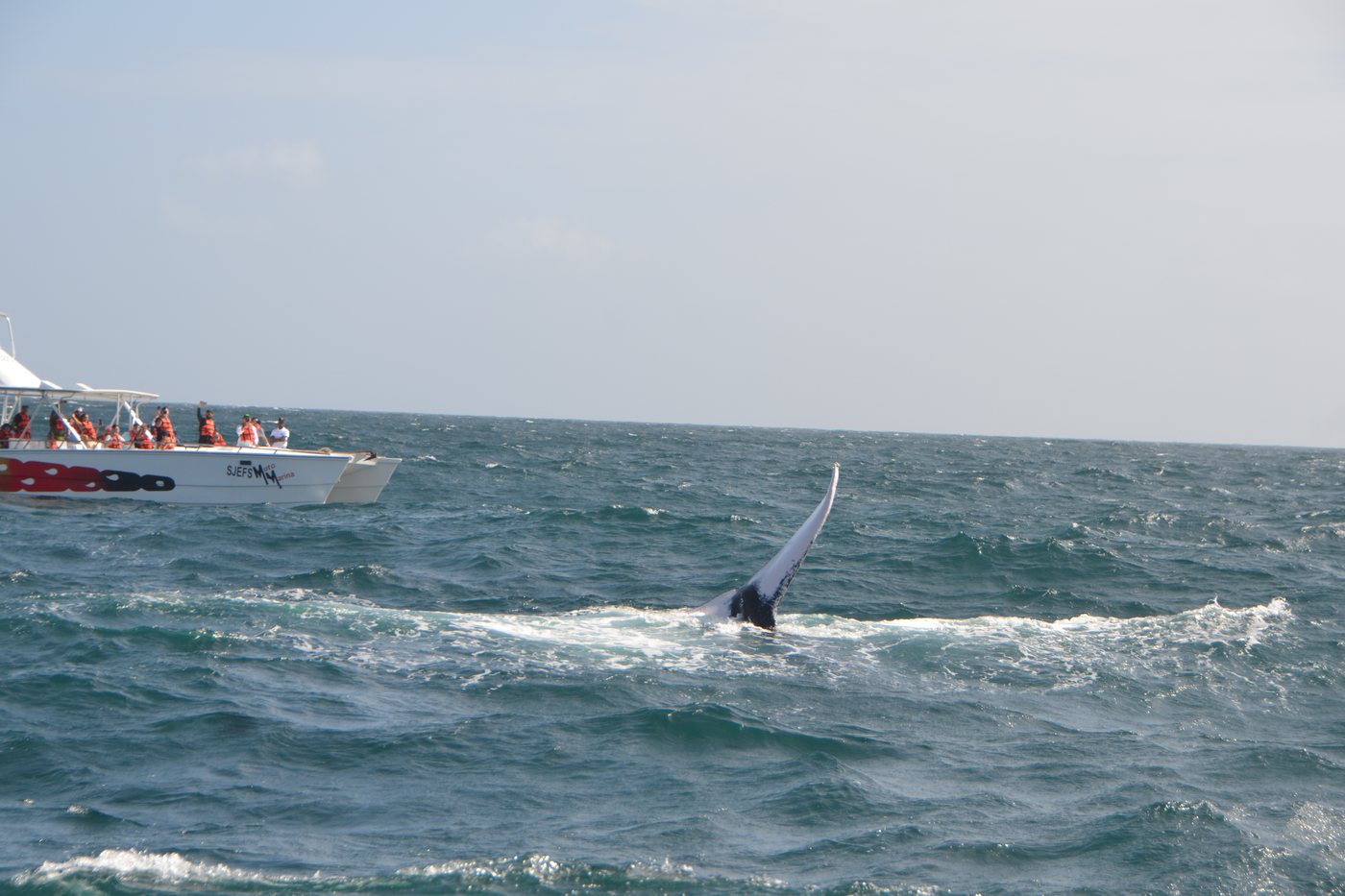
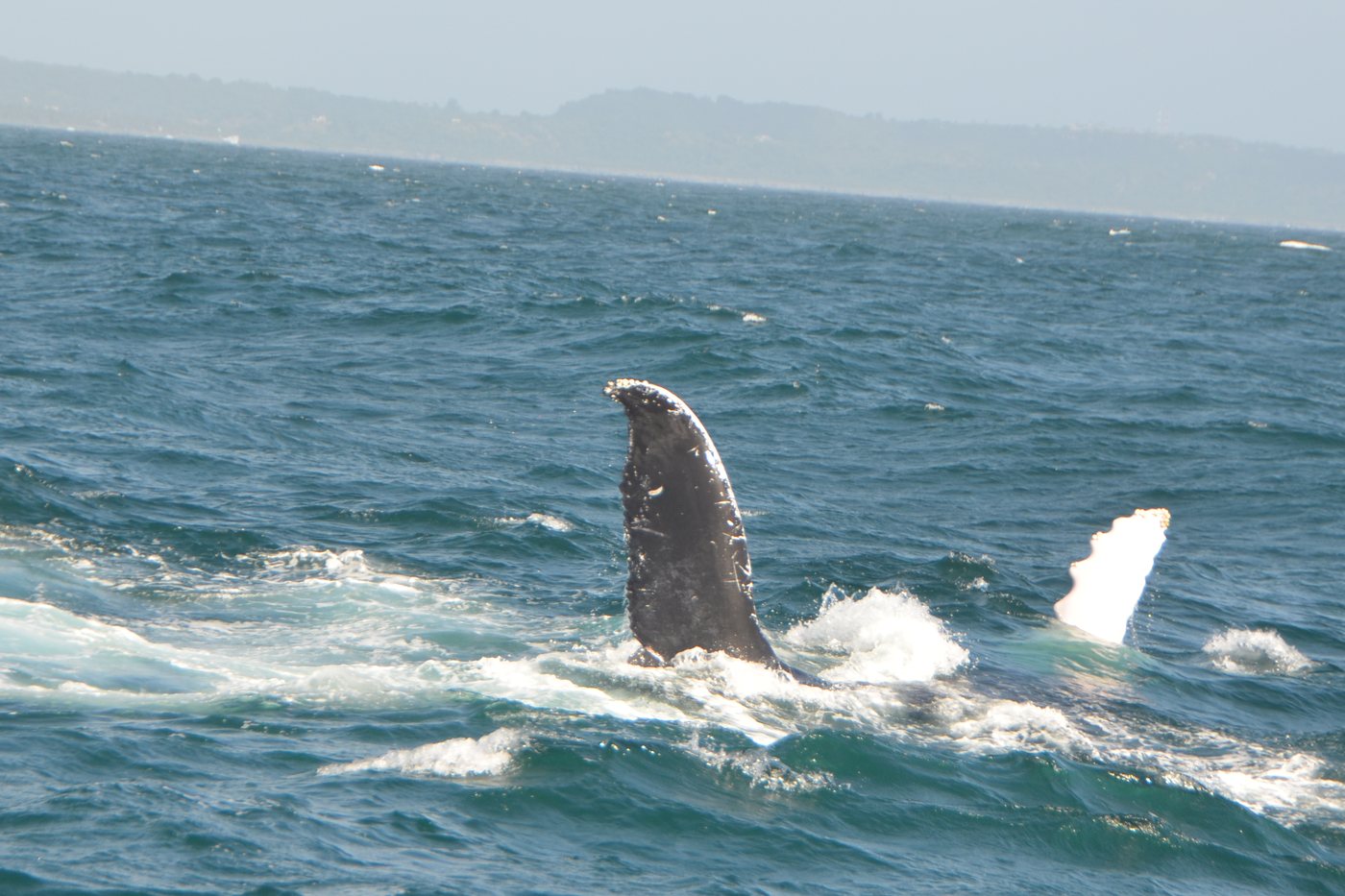
The official season runs January 15 to March 31, and February is the peak. By mid-February, the bay is full of mothers with new calves, males competing for attention, and the whole range of whale behavior: breaching, tail slaps, fin slaps and the long, slow dives that end with a tail lifted high above the water.
Two things to know about mid-February:
- Valentine’s Day and Presidents’ Day weekend (Monday, February 15, 2027) fall right in the middle of peak season. That makes it a great time for couples and for families with a long weekend, and it’s also when boats, rooms and villas fill up first.
- Book early. If mid-February is your week, don’t wait. Lock in the hotel or villa now, while the best rooms are still open, and reserve the whale tour as soon as your dates are set.
Is it protected?
Yes, and that’s part of what makes it special. The Dominican Republic created its Marine Mammal Sanctuary in 1986, starting with the offshore Silver Bank, and today the protected area includes Samaná Bay. The rules are strict, and good operators follow them closely:
- Boats stay at least 50 meters (about 165 feet) from adult whales and 80 meters from a mother with a calf.
- No more than three boats can watch one group of whales at a time, and a boat gets about 30 minutes before giving others a turn.
- Swimming with the whales is not allowed in Samaná Bay.
Even at those distances, you’re close. The photos in this post were all taken from a regular tour boat following the rules.
Full disclosure: the best moments of our morning were the males breaching, launching their entire bodies, all 40 or so feet, clear out of the water. We didn’t get a single good picture of it. We were too busy pointing and yelling. You’ll just have to believe us. Better yet, come see it for yourself.
Choosing a whale-watching tour
Tours leave from the waterfront in the town of Samaná, usually in the morning, and last about three to four hours. The boat heads out into the bay, finds the whales, and stays with each group within the time limits. Some tours add a beach stop or lunch afterward, so ask what’s included.
Whale Samaná is the name most people know. It’s tied to Kim Beddall, a Canadian marine biologist widely credited as the pioneer of whale watching in Samaná, and it’s known for trips that teach you what you’re seeing, which makes a big difference, especially for kids.
A few things I look for when I book a tour for a client:
- A licensed operator. Only permitted boats can watch whales in the sanctuary. I only book operators I know are licensed.
- A naturalist or biologist on board, not just a captain. You’ll learn why the whales do what they do.
- The right boat for your group. Larger boats are steadier. Smaller boats can feel more personal but are bumpier.
- A morning departure. The water is usually calmer in the morning, and boats have to leave the sanctuary by 4 p.m.
A few tips for a comfortable day on the water
Plenty of people never feel a thing on the boat. I don’t get seasick, and most of our group was fine. But some people do, and on our trip a good friend of mine was miserable for most of the morning. A little planning makes a big difference.
For everyone:
- Go easy the night before. A late night of rum and a heavy breakfast are a bad combination on a bouncing boat. Get some sleep, eat something light and drink plenty of water.
- Bring light snacks like crackers, pretzels or a granola bar, plus a bottle of water. Tours run three to four hours, and a little something in your stomach helps.
- Expect some bumps. Samaná Bay is protected, but the whales are often out where it opens up, and the water can get rough even on a large catamaran.
- You’ll wear a life jacket. It’s required, so dress around it: light layers and a jacket you don’t mind getting wet.
- Bring a waterproof bag. Waves can splash over the side. Keep your phone, wallet, sunglasses and camera in a waterproof travel pouch or dry bag.
- Pack the rest: sunscreen, a hat that won’t blow away and a zoom lens if you have one.
If you think you might get seasick:
- Take motion-sickness medicine before you board. Dramamine works for a lot of people. Take it about an hour before the boat leaves, following the directions on the package. It works best before you feel sick, not after. If you take other medications, check with your doctor first.
- Sit in the middle of the boat, where it moves the least, and keep your eyes on the horizon.
- Stay out in the fresh air instead of under a covered area, and skip reading or scrolling on your phone.
All that said, it’s a fun adventure. The moment a humpback breaks the surface next to your boat, every bump on the ride out is worth it.
Where to stay for whale season
The Samaná Peninsula has three very different ways to do this trip. Which one is right depends on who’s coming.
The island resort: Cayo Levantado
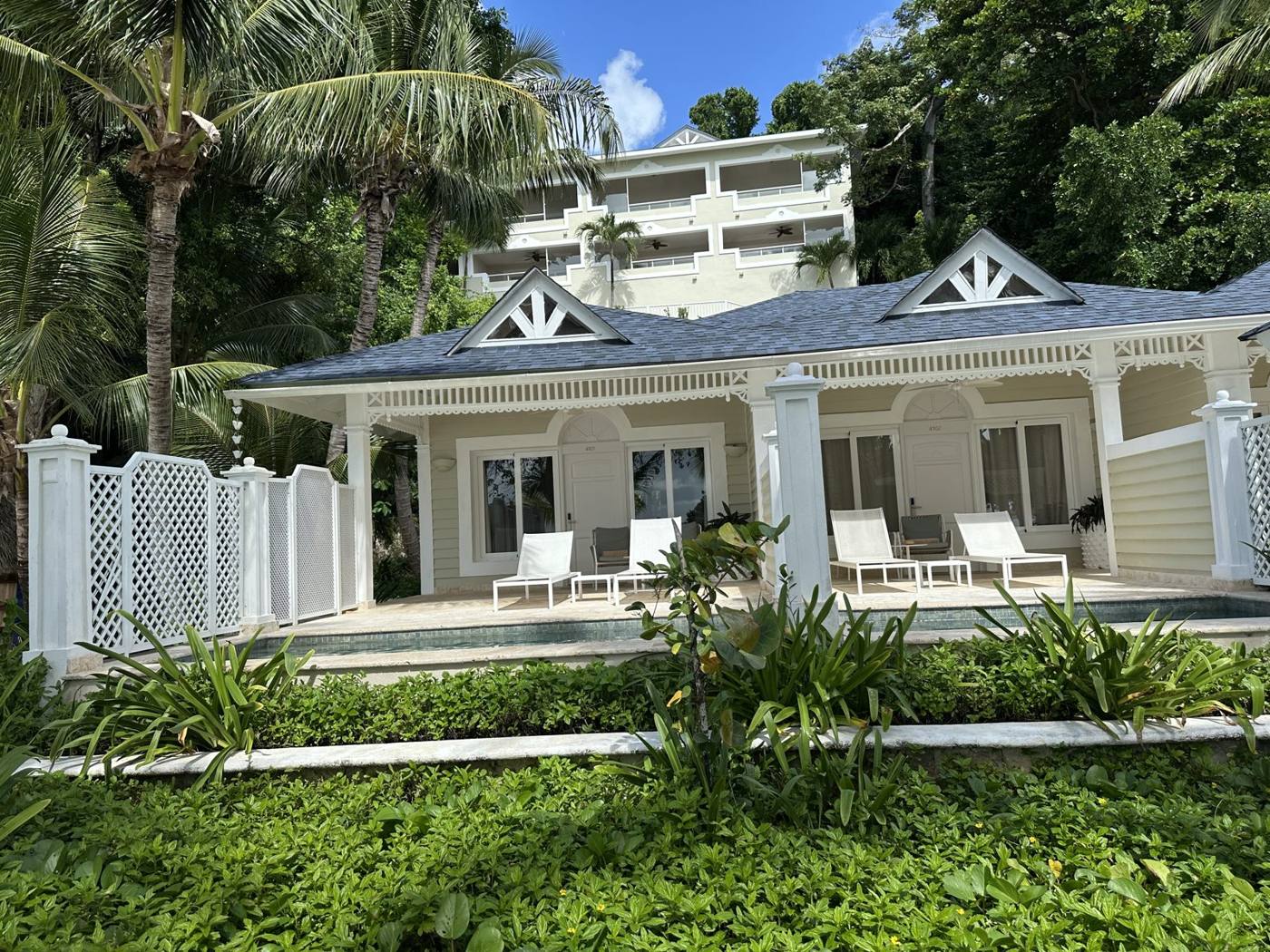
If you want the whales in your front yard, this is it. Cayo Levantado Resort, long known as Luxury Bahia Principe Cayo Levantado, sits on its own small island in Samaná Bay. You get there on a short boat ride, about 10 to 15 minutes, from the resort’s private dock on the mainland.
Know what you’re booking. This is a high-end resort, rated Four-Star by Forbes Travel Guide, and at heart it’s still a wellness retreat. Think spa treatments, fitness and wellness programs, quiet pools and unhurried dinners rather than foam parties and a packed nightlife. If you want to slow down, reconnect and wake up to the bay, it’s perfect. If your group wants a party scene, I’d point you elsewhere.
- All suites and all-inclusive. About 218 suites, each with its own living area and private outdoor space, plus beaches on more than one side of the island.
- Joining Hyatt. In 2026 the resort began moving into The Unbound Collection by Hyatt, which means World of Hyatt points once the change is complete. Ask me to check the current status when we book.
- Dining: Palma Real for breakfast and the buffet, Carey for seafood and Manaya for Dominican cooking, plus beach bars.
- Wellness at its core: the Yubarta wellness area, named for the local word for the humpback whale, has a spa, a personal training studio and outdoor fitness spaces, with programs built around renewing, refreshing, relaxing and restoring.
- Kids are welcome. The resort was adults-only years ago and has welcomed families since 2018, with a kids’ club and family activities, so don’t let old reviews fool you. It’s a calm, wellness-focused place, so it suits families who want a quieter trip, and it’s still a favorite for couples, honeymoons and anniversaries.
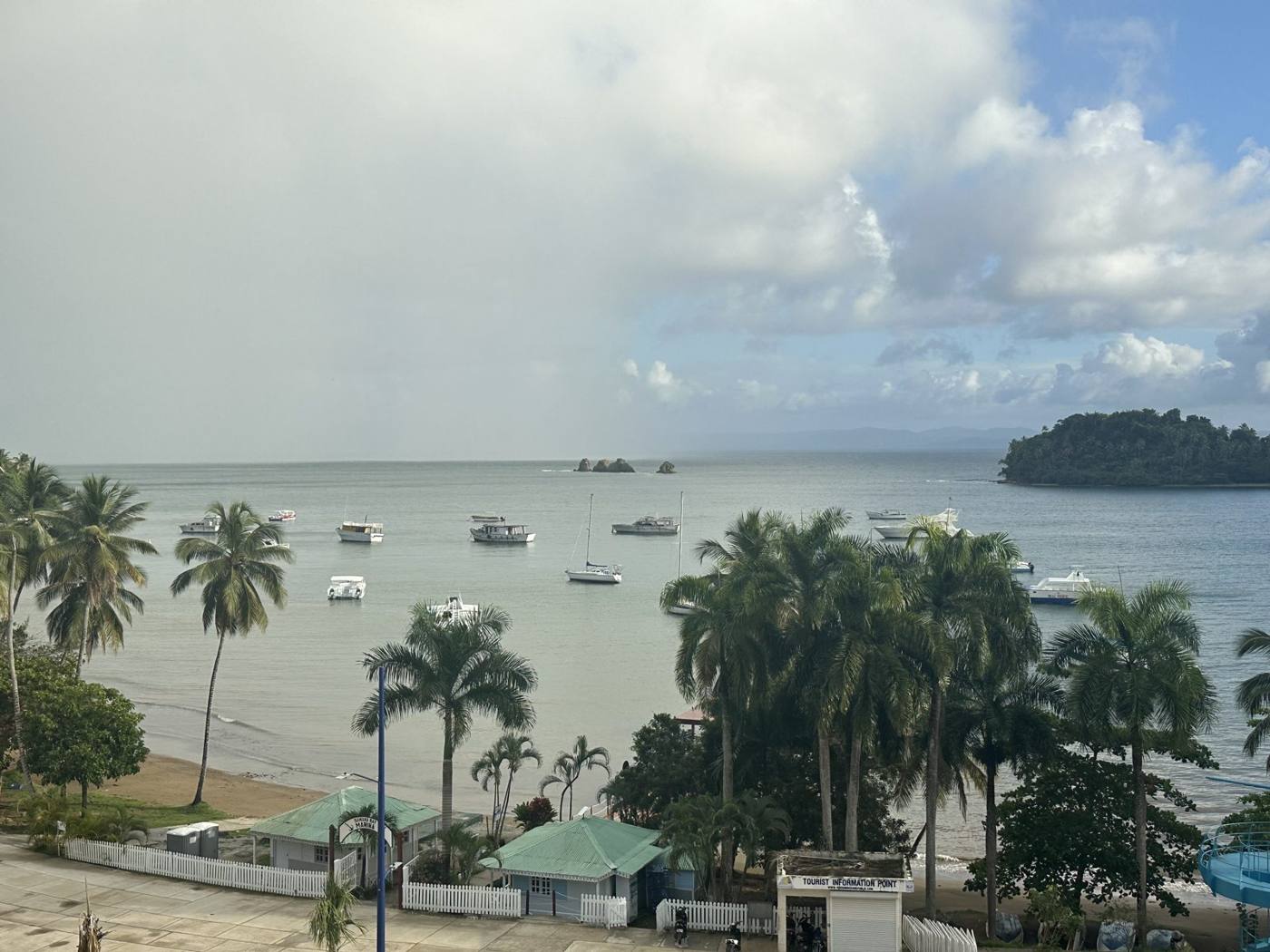
Living on an island, without feeling stuck. Cayo Levantado is a true island in the middle of Samaná Bay, so there’s no road to it. The resort runs shuttle boats back and forth to its mainland pier at Simi Báez every day, so you can head into Samaná town for dinner or a day trip and come back when you like. Boats have run about every hour or so, from around 7 a.m. leaving the island to the last boat back after 10 p.m. Times can change by season, so grab the current schedule at check-in. Best of all for this trip, you can catch a whale-watching tour right from the dock. You’re already sitting in the middle of whale country, so you skip the drive that guests from other parts of the peninsula have to make.
The island is for resort guests only, so it stays quiet and private. Day-trippers don’t come ashore.
An all-inclusive in Las Terrenas
On the north side of the peninsula, Las Terrenas has long, quiet beaches and a lively little town. Two all-inclusives there work well for a whale week:
- Viva V Samaná is adults-only (18+), with more than a kilometer of beachfront, four restaurants and rooms with private plunge pools. It’s about 20 minutes from Samaná El Catey airport. A strong value pick for couples.
- Bahia Principe Explore El Portillo is family-friendly and now part of Hyatt’s Inclusive Collection, on the beach at El Portillo, just outside Las Terrenas.
Whale tours leave from Samaná town on the bay side of the peninsula, so from Las Terrenas you’ll have a drive over the hills that morning. I set up the transfer so you don’t have to think about it.
A private villa or condo
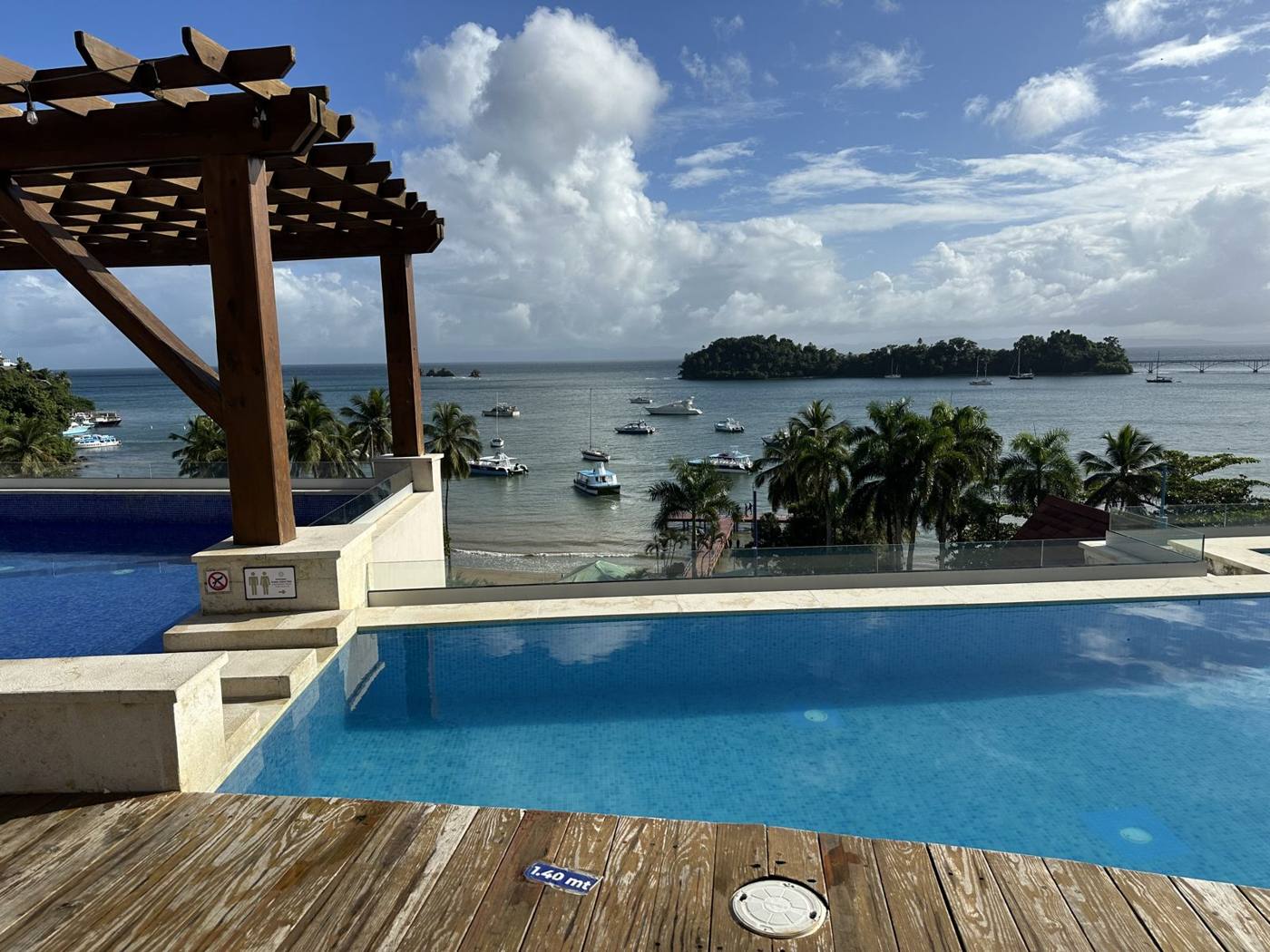
This is how we did it. We stayed in a condo in Samaná town, right across from the dock. In the morning we walked to the whale-watching boat in less than five minutes. No transfers, no early pickup, just coffee and a short stroll to the water.
A villa or condo makes the most sense for families and groups. You share one house instead of several hotel rooms, you get a private pool and space to spread out, and you can add a housekeeper or a private chef who cooks fresh fish and Dominican dishes right in your kitchen. For a group of six or more, it often costs less per person than an all-inclusive.
Which one is right for you?
- A couple celebrating something: Cayo Levantado, or Viva V Samaná for an adults-only week at a lower price.
- A family with kids: Cayo Levantado for the island adventure, El Portillo for an easy all-inclusive, or a villa or condo if you want space and a pool of your own.
- A big family or a group of friends: a villa, almost every time.
Las Terrenas: beaches, cafés and El Limón
Even if you stay near Samaná town, plan a day in Las Terrenas. It has a relaxed, European feel, with French bakeries, beachfront cafés and a mix of locals and expats who came for a vacation and never left.
- Playa Bonita and Playa Cosón are long, quiet stretches of sand lined with palms.
- El Limón waterfall is a hike or horseback ride through the jungle to a tall cascade with a swimming hole.
- Playa Rincón, often called one of the most beautiful beaches in the Caribbean, is an easy day trip.
- Los Haitises National Park, across the bay, has mangroves, caves with Taíno drawings and limestone islands you explore by boat.
Where to eat in Samaná and Las Terrenas
Seafood is the star here, often cooked the local way, in coconut sauce. A few well-known spots to know:
- Santa Bahía Kitchen & Bar (Samaná): my pick. The online reviews don’t do this place justice. When I went, it was excellent, and it’s the first place I’d send you for dinner after a day on the water.
- Santorino (Samaná): a laid-back beach bar and restaurant, open from breakfast on, and one of our favorites. Easy on the wallet, too: about 500 to 1,000 Dominican pesos (roughly $8 to $16 USD) a person.
- D’Jose Pollo al Carbón (Samaná): for real local flavor. Charcoal-grilled chicken, simple and really good, the kind of place locals actually eat.
- Tierra y Mar (Samaná town): traditional Dominican cooking. Try the conch (lambí) in creole sauce, the mofongo, or fresh fish in coconut sauce.
- Paco Cabana (Las Terrenas): feet-in-the-sand dining with French cooking and Caribbean touches.
- La Terrasse (Las Terrenas): a waterfront favorite for pasta, shrimp ravioli and daily specials.
- Porto by Mosquito (Las Terrenas): Peruvian-inspired food on the water, known for ceviche, brunch and live music.
- El Lugar (Las Terrenas): a lively gastropub with good vegetarian, vegan and gluten-free options.
- El Cabito (Las Galeras): creole seafood on a clifftop at the far end of the peninsula. Worth the drive for the setting alone.
Getting to Samaná
Samaná has its own airport, Samaná El Catey (AZS), but flights from the U.S. are limited and usually cost more. For most travelers, the best plan is to fly into Santo Domingo (SDQ), which has plenty of nonstops from the East Coast, and go the rest of the way by road. You have two good options.
Private transfer (what I recommend)
A driver meets you at arrivals and takes you straight to your hotel, villa or the Cayo Levantado dock. It’s about 2½ hours to Samaná and a little over 2 hours to Las Terrenas, on a good highway. Expect roughly $200 or more each way for a car for up to four people, with vans for bigger groups. After a morning of flying, it’s the easiest way to start your trip, and I book it for you.
How far is everything? Drive times by private transfer
Times are door to door in normal traffic, and can run longer at rush hour around Santo Domingo.
| Route | Distance | Drive time |
|---|---|---|
| Santo Domingo airport (SDQ) → Las Terrenas | about 90 miles (143 km) | about 2¼ hours |
| Santo Domingo airport (SDQ) → Samaná town and the Cayo Levantado dock | about 100 miles (160 km) | about 2½ hours |
| Santo Domingo airport (SDQ) → Las Galeras | about 115 miles (185 km) | about 3 hours |
| Samaná El Catey airport (AZS) → Las Terrenas | about 12 miles (20 km) | 20 to 30 minutes |
| Samaná El Catey airport (AZS) → Samaná town and the Cayo Levantado dock | about 25 miles (40 km) | 40 to 45 minutes |
| Samaná El Catey airport (AZS) → Las Galeras | about 40 miles (65 km) | about 1 hour |
| Las Terrenas → Samaná town (whale-tour docks) | about 16 miles (25 km) | about 45 minutes |
| Las Terrenas → Las Galeras | about 45 miles (70 km) | about 1½ hours |
| Punta Cana → Las Terrenas | about 195 miles (315 km) | about 4 hours |
What a private transfer costs: roughly $200 or more each way from the Santo Domingo airport to the peninsula, for a car with up to four people (vans for bigger groups). Shorter hops cost less. A private ride between Las Terrenas and Samaná town for a whale tour runs about $125 to $140 each way. If you’re staying in Las Terrenas, I’ll often book a whale tour that includes pickup, which saves you that drive. I’ll quote the exact transfers for your dates.
The local bus (the budget way)
Caribe Tours runs comfortable, air-conditioned buses from Santo Domingo to its station in Samaná. The ride takes about 2¾ hours and costs around 500 Dominican pesos (about $8 USD) one way, with departures every few hours. A few things to know:
- The bus doesn’t leave from the airport. You’ll take a taxi from the airport to the Caribe Tours terminal on Avenida 27 de Febrero in Santo Domingo. Plan on about 45 minutes and roughly $30 to $35.
- Check the schedule and buy your ticket ahead in February, since the route is popular. Pay in pesos or by card at the terminal.
- In Samaná, you’ll need a taxi from the bus station to your hotel, villa or the boat dock.
- Allow extra time. Buses can run late, so don’t plan a whale tour for the afternoon you arrive.
I’ve done it myself. I took the Caribe Tours bus from Santo Domingo to Cabarete and back, and I loved the trip. The bus was very comfortable, with air conditioning and a bathroom on board, and you get to watch the countryside roll by. My only regret? Not bringing a cooler bag of cold Presidentes for the ride.
The bus is a great deal for adventurous travelers. With kids, lots of luggage or a tight schedule, the private transfer is worth it.
Before you go: every traveler needs the free Dominican Republic e-Ticket for arrival and departure. Here’s how to fill it out.
The bottom line
Anyone can book a room. But watching a humpback calf breach next to its mother, with the people you love on the same boat, is the kind of memory a family talks about for years. Mid-February is the time to see it. Let’s get your week on the calendar before the boats and the best rooms fill up.
Frequently asked questions
When is the best time to see whales in Samaná?
The season runs January 15 to March 31, and February is the peak. Mid-February puts you right in the middle of peak season.
How long is a whale-watching tour in Samaná?
Most tours last about three to four hours and leave from the town of Samaná in the morning.
Can you swim with the whales in Samaná Bay?
No. Swimming with whales is not allowed in Samaná Bay. Boats must stay at least 50 meters from adult whales and 80 meters from a mother and calf.
Will I get seasick whale watching in Samaná?
Most people are fine, but the water can get bumpy where the whales are, even on a big catamaran. If you’re prone to seasickness, take motion-sickness medicine like Dramamine about an hour before you board (follow the package directions) and sit in the middle of the boat. Everyone should go easy the night before and bring light snacks and water.
Is Cayo Levantado a private island?
Yes. The island is for resort guests only. You reach it by a 10-to-15-minute boat ride from the resort’s dock on the mainland, and shuttle boats run back and forth every day.
What’s the best way to get to Samaná?
Fly into Santo Domingo (SDQ), which has far more flights from the U.S. than Samaná’s own airport. From there it’s about 2½ hours by private transfer, or you can take a taxi to the Caribe Tours terminal and ride the bus to Samaná for under $10.
Sources: IWC Whale Watching Handbook, Samaná Bay (opens in a new tab) · Dominican Today, 2026 whale season (opens in a new tab) · Hyatt Newsroom, Unbound Collection 2026 (opens in a new tab) · Forbes Travel Guide, Cayo Levantado Resort (opens in a new tab) · Frommer’s, Whale Watching in Samaná (opens in a new tab) · Nomadic Backpacker, Santo Domingo to Samaná by bus (opens in a new tab) · Fodor’s, Samaná Peninsula restaurants (opens in a new tab)
Want a whale week planned for you?
Tell me your dates and who’s coming. I’ll line up the whale tour, the island resort, Las Terrenas or a private villa, and every transfer in between.
Plan my tripGet our updates
New trip guides, deals worth knowing about and the best times to book, from our own trips. One short email a month, and you can unsubscribe anytime.